


Mountain Stories
-
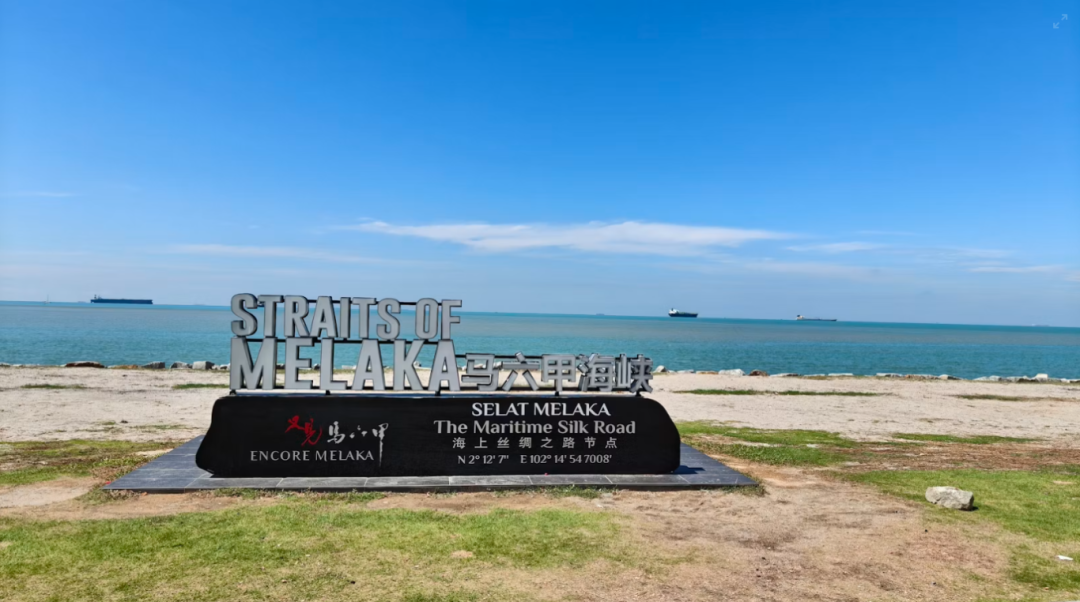
A Journey Through Malaysia's Living History: From Melaka to George Town
For many, the first impression of Malaysia is the modern skyline of Kuala Lumpur's Petronas Twin Towers, or the artistic charm of Penang's street art. But if you take a few steps deeper into its history, you'll find that this country, split into two halves by the South China Sea, is a "living history book" written in multiple languages. -
-
-
Val Poschiavo: An Italian Corner of the Alps
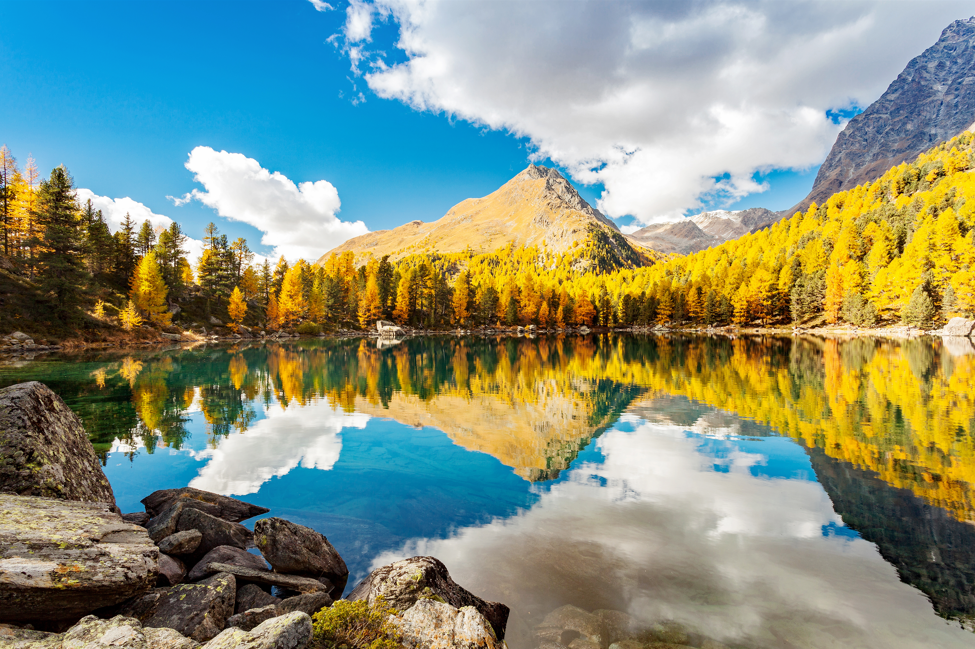
Located in the canton of Graubünden, right on the border with Italy, Val Poschiavo is a unique presence in the Swiss Alps. The valley's primary everyday language is Italian, and its architecture leans toward the bright, cheerful hues of southern Europe. Here on the southern slope of the Alps, the climate is warmer and the culture decidedly more "southern." -
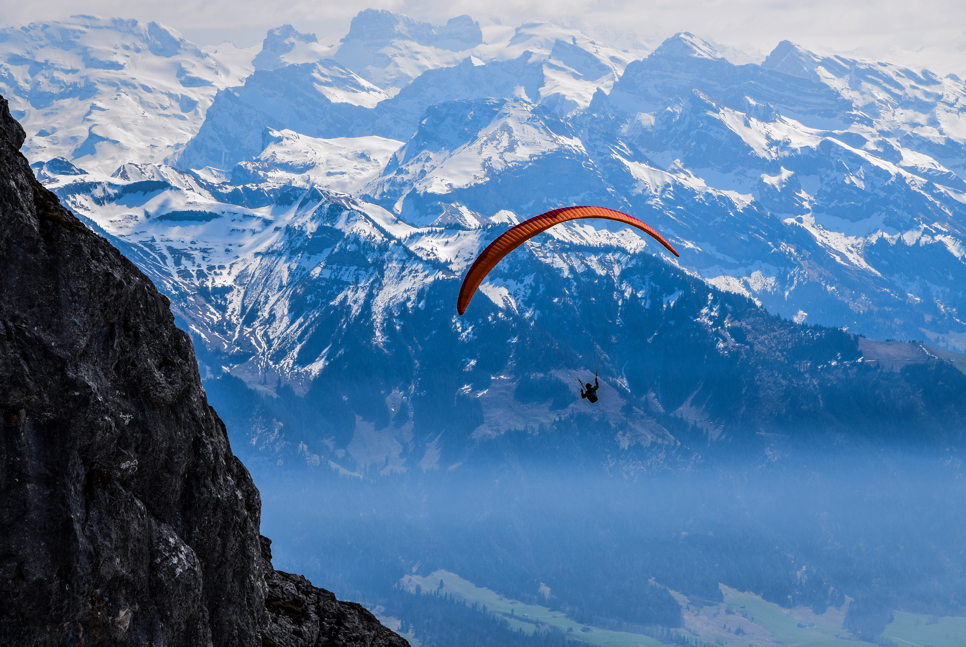
Mount Pilatus: The Dragon Legend and the Steepest Railway
Overlooking the Lake Lucerne region, Mount Pilatus reaches its highest point at the Tomlishorn, 2,128 meters above sea level. Composed of several peaks, its rock layers are primarily sandstone and limestone, belonging to the nappe fold structures on the northern edge of the Alps. The geological profile here clearly records the processes of Alpine orogeny, making it an important area for geological research. -
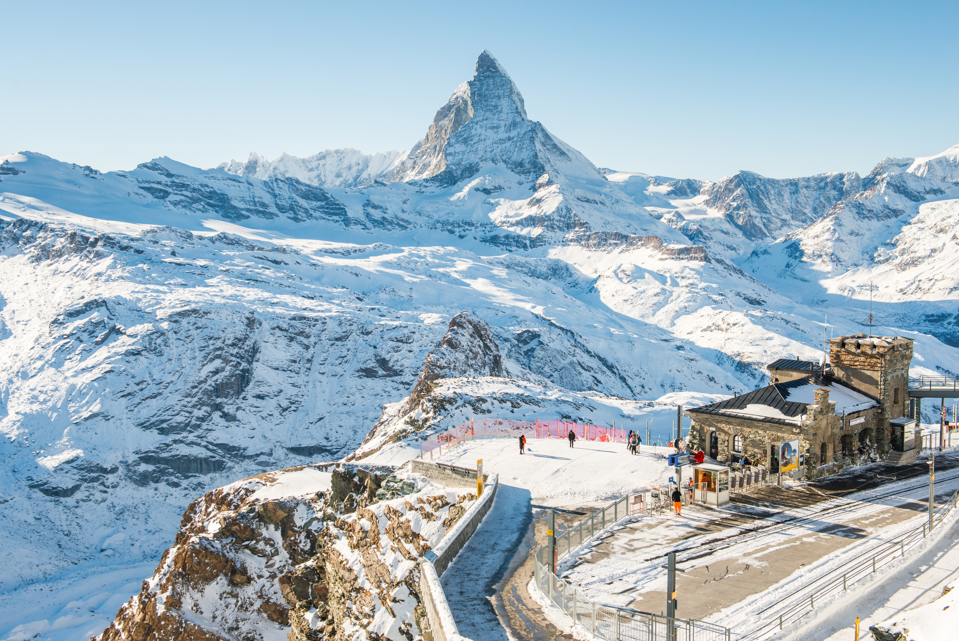
The Matterhorn: Glory and Tragedy Beneath a Solitary Peak
If the Jungfrau is the gentle queen, then the Matterhorn, at 4,478 meters, is the embodiment of Swiss ruggedness. -
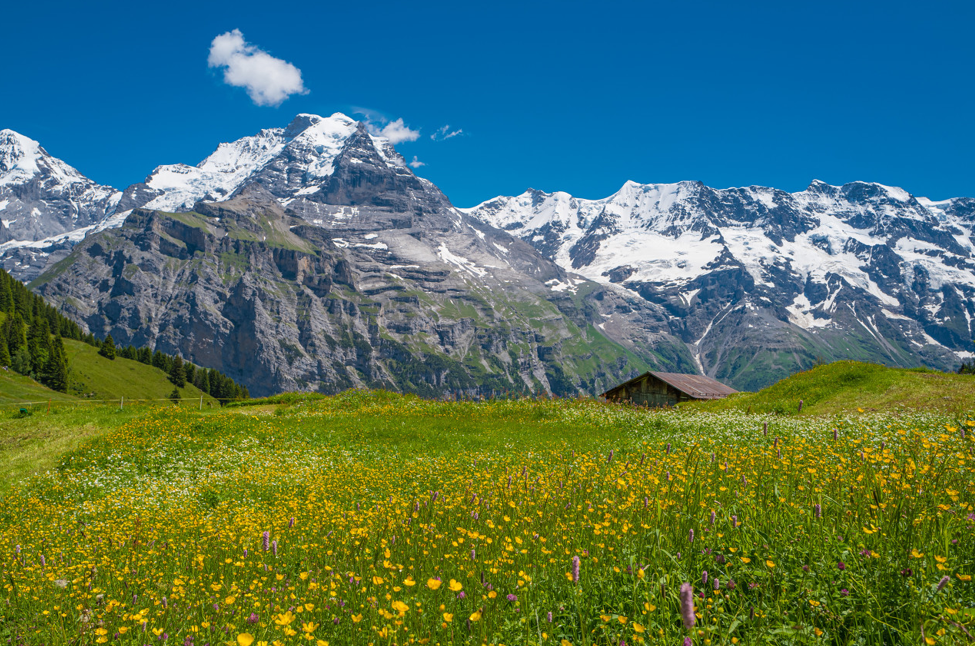
Jungfrau: The "Queen" of Glaciers and Her Eastern Connection
Located in the Bernese Highlands at an elevation of 4,158 meters, the Jungfrau is the centerpiece of the "Jungfrau-Aletsch Glacier" UNESCO World Heritage site. Although not the highest peak in the Alps, it is celebrated as the "Queen of the Alps" for its unique location and stunning vistas. -
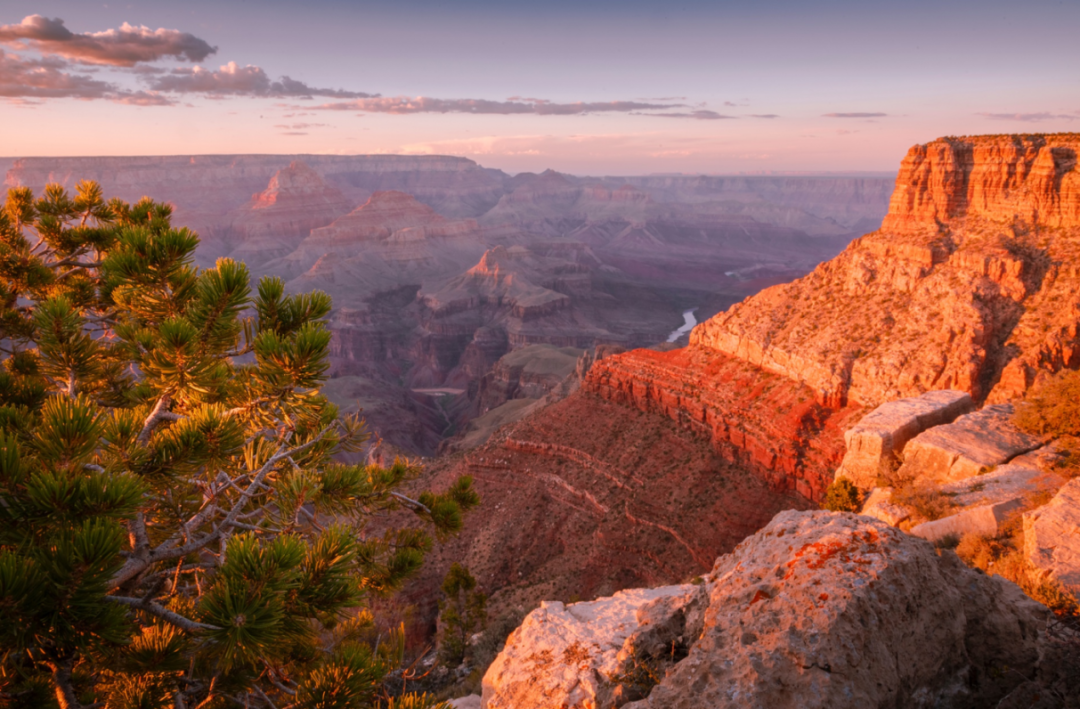
Grand Canyon: A Book of Time Carved by a River
Strictly speaking, this is not a "mountain," but its relationship with mountains is closer than that of any peak—it is the cross-section left behind after a river sliced through a mountain range. -
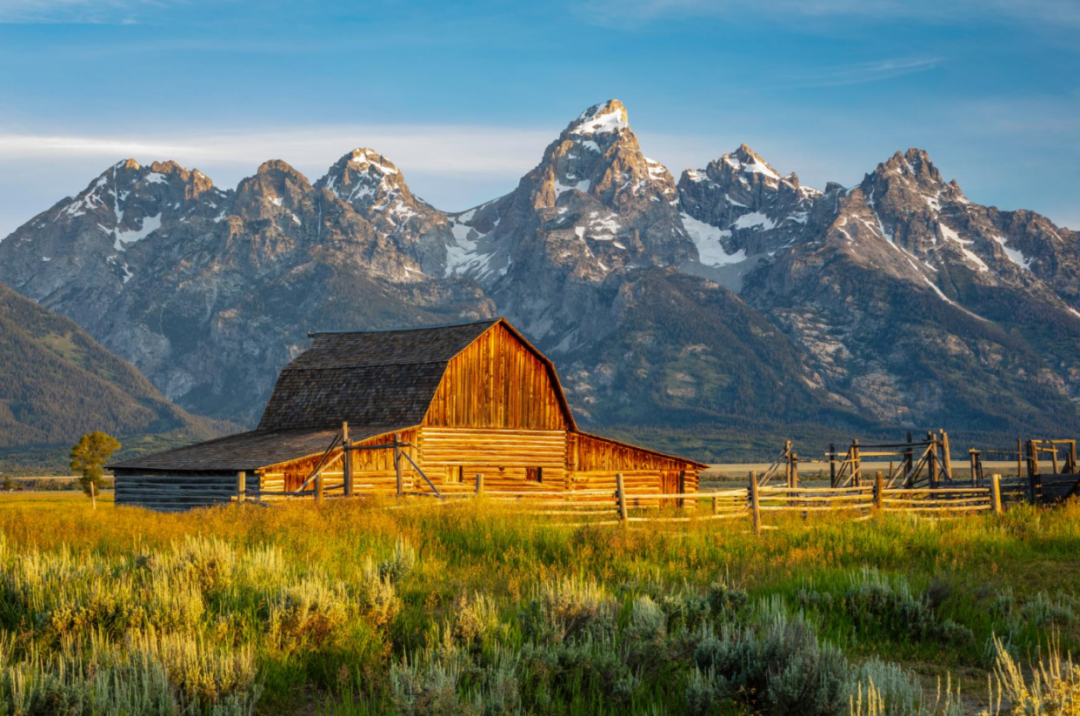
Grand Teton: The Spire of the Rockies
At 4,198 meters, it is the highest peak in the Teton Range. Grand Teton is exceptionally photogenic—not because of gentle, rolling ridges, but because of its dramatic shape. -
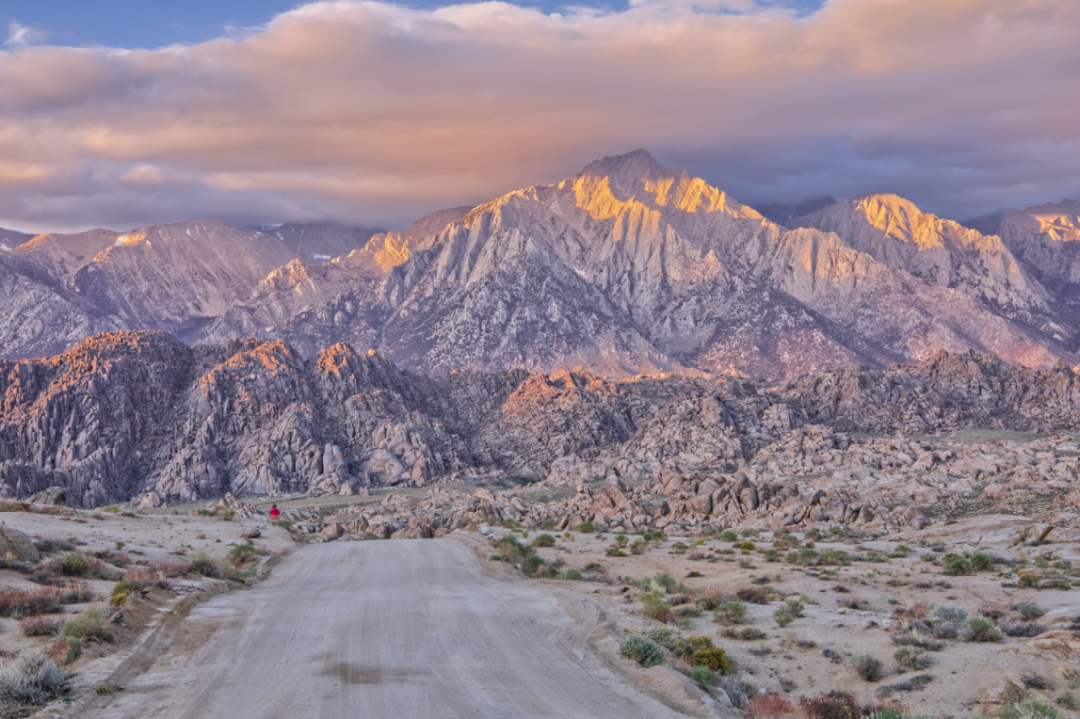
Mount Whitney: The Roof of the Lower 48
If we consider only the contiguous United States (excluding Alaska), this 4,418-meter peak is the highest point. -
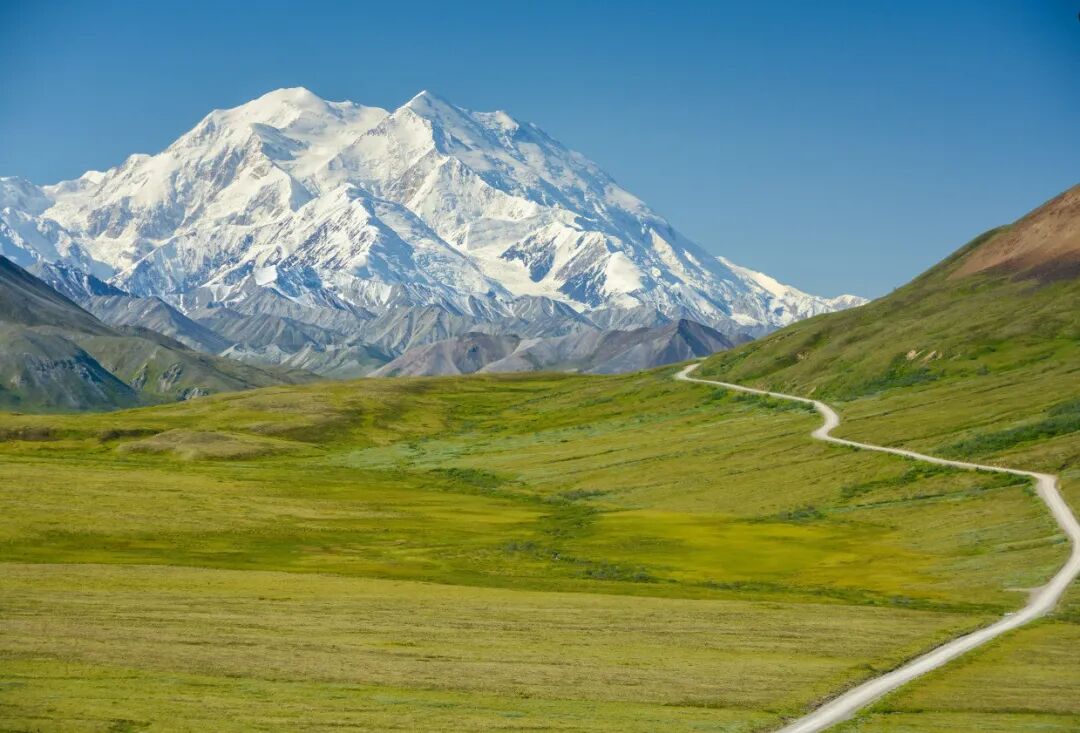
Mount McKinley: The Roof of Alaska
Rising 6,190 meters above sea level, Mount McKinley is the highest peak in North America. Geologically speaking, it is a "young" mountain—a dome-shaped massif that uplifted during the Late Tertiary to Quaternary periods. -
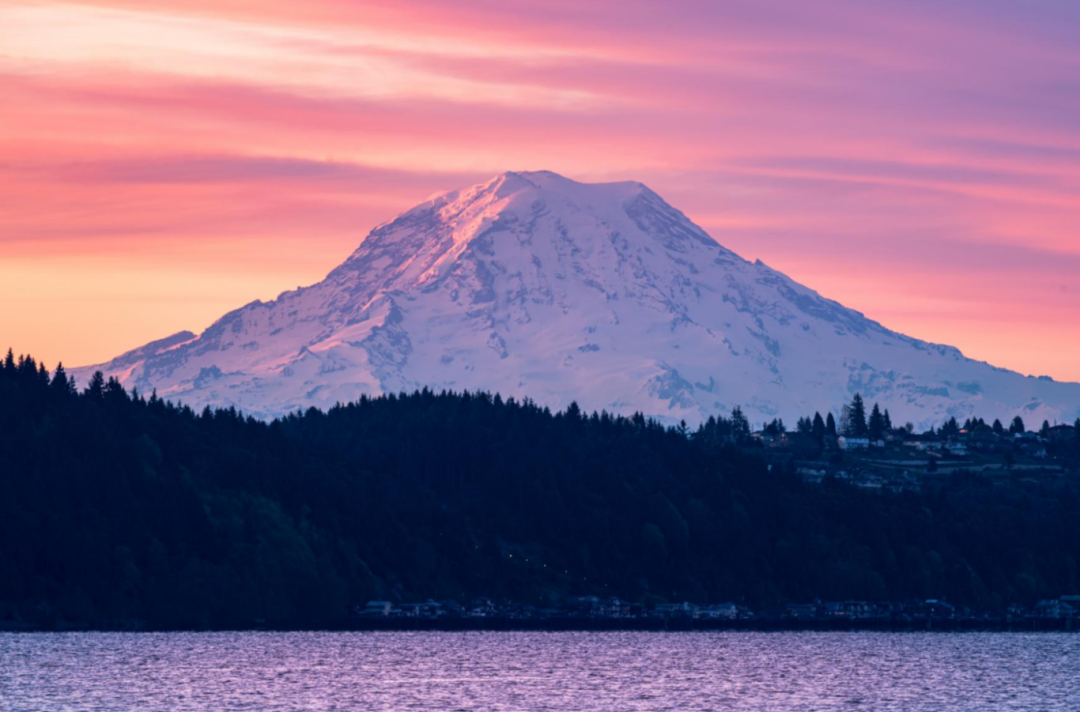
Mount Rainier: The White-Hatted Peak of Seattle
Mount Rainier, Washington State, stands at 4,323 meters, towering far above the surrounding peaks that rise to only about 1,800 meters. From Seattle, hundreds of mountains are visible, yet when people refer to "the mountain," everyone knows they mean Mount Rainier. For over a century, Mount Rainier has deeply captivated mountaineering enthusiasts from around the world. -
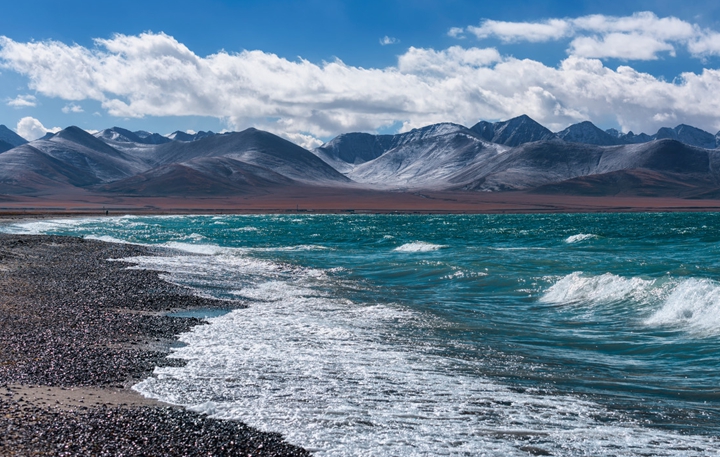
Veneto Prealps
Located at the easternmost end of the Alps, this mountainous region completely departs from the towering, cold, and rugged snow-covered peaks of the western section. The lithology is uniformly dominated by light-colored limestone, giving the mountains a translucent and porous texture, which stands in sharp contrast to the hard crystalline rock snow mountains of the northern section. The overall terrain gently transitions from high to low as one moves from north to south. The slopes become gradua -
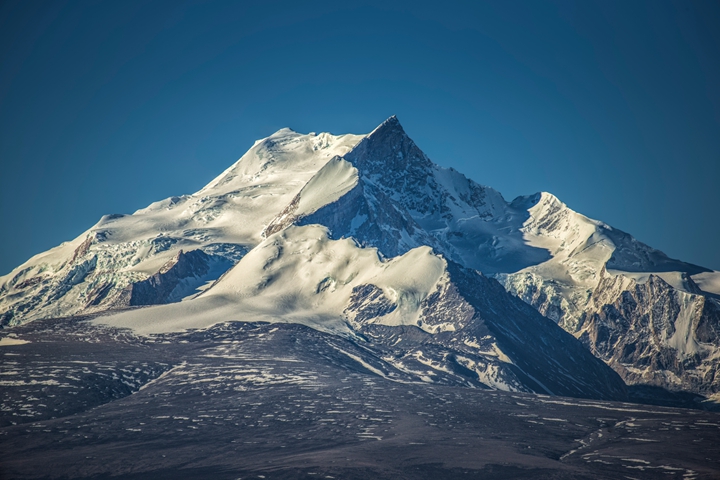
South Tyrol Alps
This mountainous region is the most visually striking and recognizable section of the Italian Alps, with its core being the world-famous Dolomites. The main peak, Marmolada, stands at 3,342 meters, the highest peak in the entire Dolomites. Blade-like, sharp ridges and the expansive, gentle meadows of Alpe di Siusi form a unique limestone peak forest landscape. -
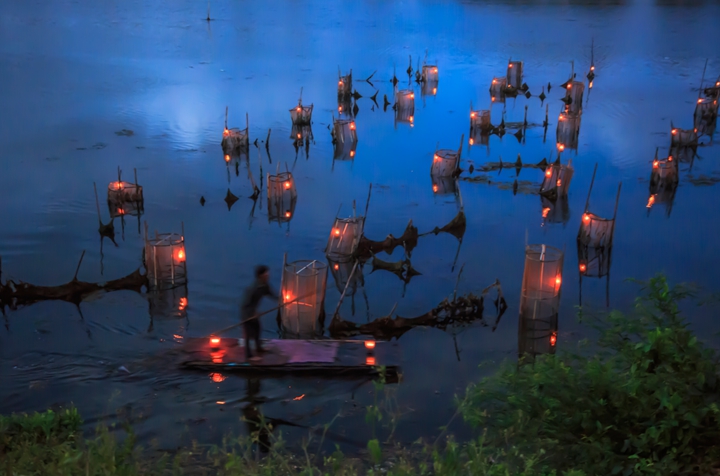
Lombard Alps
Nestled between Lake Maggiore and Lake Garda, the Lombard Alps belong to the central section of the Alps. Characterized by majestic mountainscapes intertwined with lakes, this region is a quintessential representation of the lake-dotted mountainous landscape of northern Italy. -
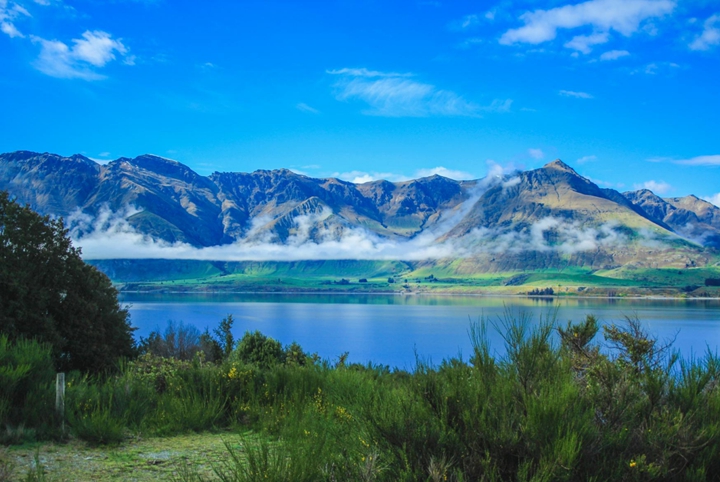
Piedmont Alps
As the westernmost section of the Italian Alps, this mountain range is characterized by towering, majestic peaks, countless snow-capped summits, and an exceptionally high average elevation. It is home to Mont Blanc, standing at 4,810 meters on the border between Italy and France, which serves as the iconic core of the entire Western Alps. -
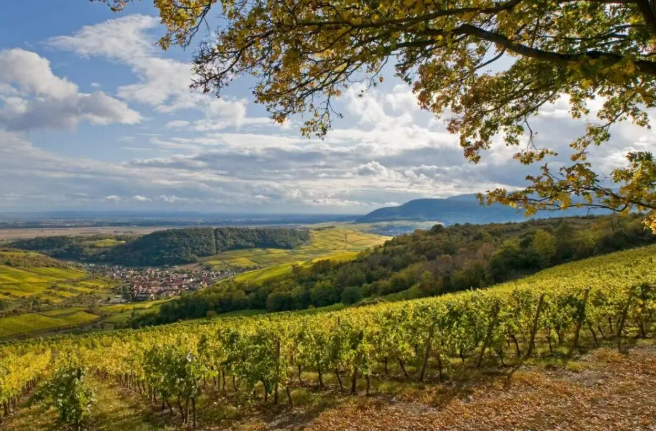
The Vosges: Tranquility and Heritage
The Vosges Mountains (Les Vosges) are located in northeastern France, close to the Rhine River, and form the natural boundary between the regions of Alsace and Lorraine. The mountains are primarily composed of granite and gneiss, with rounded, gentle peaks. The entire range is covered in vast ancient forests, scattered with glacial lakes and alpine meadows. In spring and summer, the landscape is lush with greenery, and wild berries grow abundantly across the hillsides. Locals call this area the -
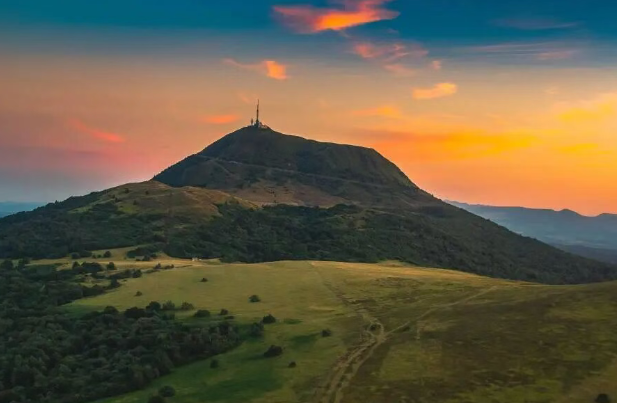
The Massif Central: The Sleeping Volcanic Green Heart of France
France has volcanoes too. They are in the Massif Central (Le Massif Central). This is the largest inland highland region in mainland France, sprawling across the south-central part of the country and covering nearly 15% of France's mainland territory. Its highest peak, Puy de Sancy, reaches 1,885 meters. The mountain's bedrock was formed during the Hercynian orogeny, making it one of France's oldest mountain massifs. The entire region is dotted with ancient volcanic relics, making it a natural v -
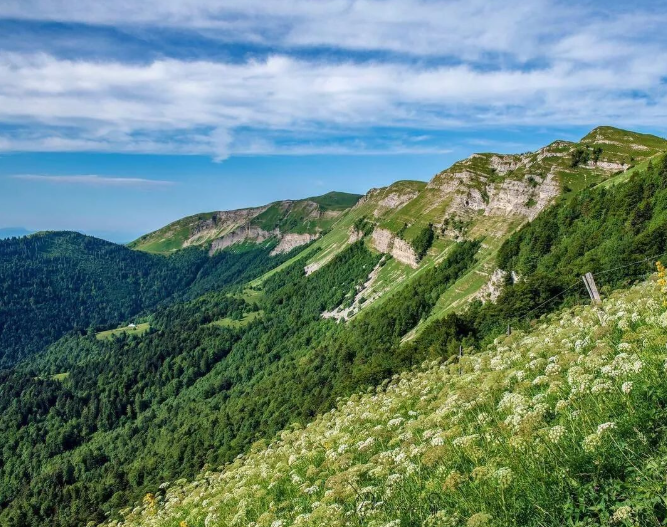
The Jura Mountains: A Geological Wonder on Limestone
The Jura Mountains (le Jura) hold an extremely high status in geology. The famous "Jurassic" period is named after the unique rock formations and geological structures found here. -
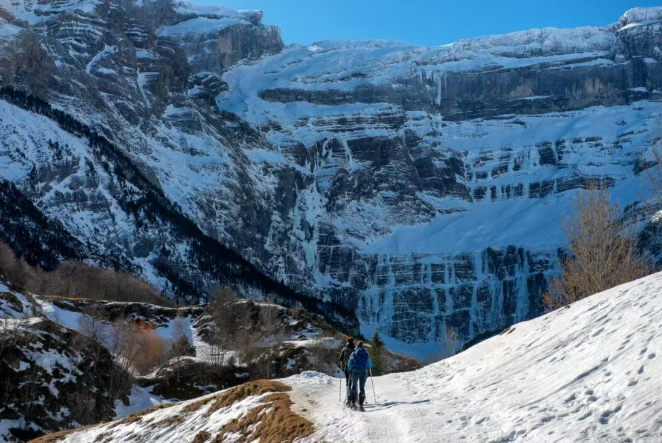
The Pyrenees: The Wild Breath of the Franco-Spanish Border
The Pyrenees are rich in geothermal resources. Cauterets and Bagnères-de-Luchon are historic spa towns with centuries-old hot springs. As early as the first century, the Romans had already built bathhouses here. Soaking in the hot springs after a day on the trails is a tradition that has endured here for two thousand years.
