


Strictly speaking, this is not a "mountain," but its relationship with mountains is closer than that of any peak—it is the cross-section left behind after a river sliced through a mountain range.
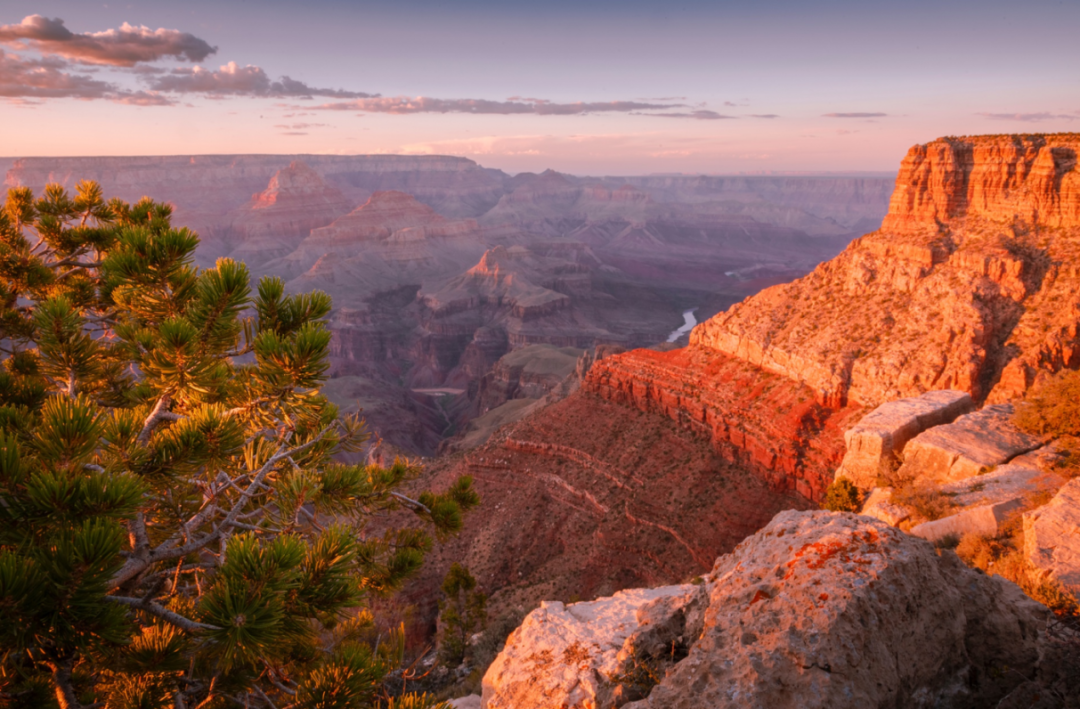
Grand Canyon, Image source: Tuchong
Stretching 446 kilometers in length, averaging 16 kilometers in width, and plunging 2,133 meters at its deepest point, the Grand Canyon is neither the longest, deepest, nor widest canyon in the world. Yet it is the most magnificent, because its rock layers reveal nearly half of Earth's history before your eyes.
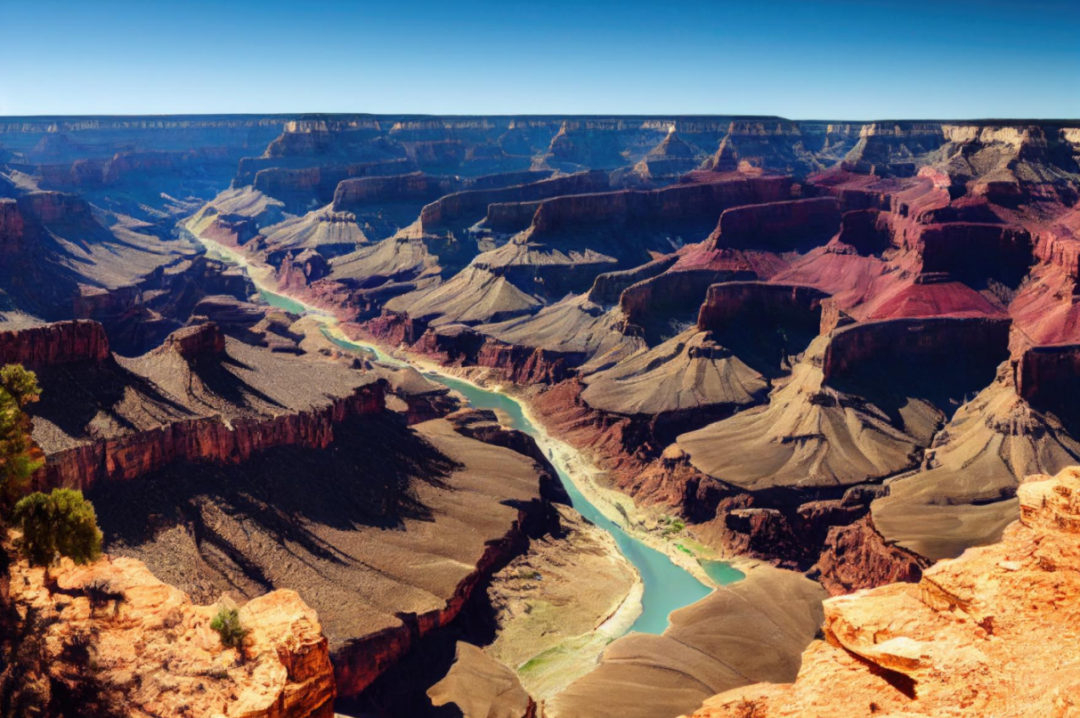
Grand Canyon, Image source: Tuchong
The rock strata on both rims are clearly visible, arranged in sequence from the Cambrian to the Cenozoic. The oldest rocks at the bottom are nearly two billion years old—close to half the age of the Earth. Walking along the canyon's edge, each layer beneath your feet corresponds to a distinct geological period. Oceans, swamps, deserts, and glaciers have all been compressed into this single gash in the Earth. That is why the Grand Canyon is often called a "living textbook of geological history."
In 1919, President Woodrow Wilson designated the Grand Canyon area as a national park. Today, it attracts more than five million visitors each year. Many choose to ride mules down to the canyon floor, experiencing the travel style of the Old West. Others prefer to hike down and spend the night at the bottom. There, at Phantom Ranch, a rustic little lodge welcomes guests who find themselves surrounded by nearly two-billion-year-old rock.
Editor Ⅰ: Zhang Congxiao
Editor Ⅱ: Bao Gang
Editor Ⅲ: Pan Kaiyue