


The International Mountain Tourism Alliance (IMTA) is a non-government, non-profit international organization established with the approval of the State Council of the People's Republic of China, and voluntarily formed by mountain tourism related organizations, groups and individuals. IMTA is registered at the Ministry of Civil Affairs of China, and administered by the Ministry of Culture and Tourism of China. IMTA has its permanent headquarters in Guiyang City, Guizhou Province, and a liaison office in Beijing.
IMTA was formally established on 15 August, 2017, with the goal of sustainable tourism, and the mission of protecting mountain resources, preserving mountain civilization, promoting mountain economy and prospering mountain communities. It is committed to preserving and utilizing mountain tourism resources, participating in the construction of mountain tourism governance system, facilitating international tourism exchanges and business cooperation, sharing experience of mountain tourism development, and promoting mountain economy and sustainable development.
The organizational structure of the IMTA includes the General Assembly, the Council and the Secretariat. The General Assembly is the deliberation and decision-making body of the Alliance, consisting of all IMTA members. The Council is the decision-making and executive organ of the Alliance. The Secretariat is the day-to-day administrative body of the Alliance, and has relevant branches. The official languages of the IMTA are Chinese and English.
At the IMTA Membership Preparation Conference on 21 September, 2016, Mr. Dominique de Villepin, former Prime Minister of France, was elected Chairman of the IMTA; Mr. Shao Qiwei, former director of the China National Tourism Administration, was elected Vice Chairman; and Mr. He Yafei, Vice Minister of Foreign Affairs of China, was elected Secretary-General (legal person representative). The first IMTA Council consisted of 32 institutions and individuals. On 27 December, 2022, the second General Assembly of the IMTA elected its second Council and leading members. Mr. Dominique de Villepin was re-elected as the Chairman of the IMTA; Mr. He Yafei as Vice Chairman and Secretary-General; Ms. Pansy Ho as Vice Chairman; and Mr. Fu Yingchun as Vice Chairman and Executive Secretary-General (legal person representative). On 9 July, 2025, the 5th Plenary Session of the second General Assembly, Fu Yingchun stepped down due to reaching the age limit during his term. Ao Kemo was appointed as Vice Chairman and Executive Secretary-General (legal representative), and Liu Zhaohui as Vice Chairman. The second Council consists of 40 members from 22 countries and regions of three continents.
Currently, members of the IMTA include 210 groups and individuals from 40 countries and regions across six continents, including 117 domestic institutions, 82 overseas institutions and 11 individuals. The group members include tourism institutions, non-profit organizations, culture & tourism businesses, financial consulting agencies, tourism colleges, airlines, tourism equipment manufacturers, and outdoor sports organizations from countries and regions renowned for mountain tourism. The individual members include well-known managers, experts, scholars, and entrepreneurs in tourism-related businesses.
Following the mandate of the Statutes, IMTA is committed to building a research and evaluation platform for the development of mountain tourism industry, studying, formulating, releasing, and promoting international standards related to mountain tourism, carrying out mountain tourism resource assessment, market survey, business index prediction, and studying the methods of predicting the development of world mountain tourism. In addition, IMTA is dedicated to building a platform for investment cooperation and innovation in mountain tourism, focusing on the protection and tourism utilization of mountain resources, developing characteristic mountain tourism products, carrying out market promotion, guiding and promoting investment and financing cooperation, building a dialogue platform for members, shaping the Alliance's self-created brand, and providing member consulting and training services. Positive results have been achieved in enhancing and expanding IMTA's international influence and voice.
IMTA is willing to join hands with the world tourism in the spirit of equality, inclusiveness and cooperation to discuss, build and share the high-quality development results of mountain tourism, so that the ecological civilization will lead mountain tourism to a better future.
Chapter I General Provisions
Article 1 Name
The name of this Alliance is International Mountain Tourism Alliance (hereinafter referred to as IMTA).
Article 2 Nature
IMTA is an non-governmental, non-profit international organization composed of mountain tourism-related organizations, institutions and individuals. It is a social organization established in accordance with Chinese law.
Article 3 Purposes
Guided by the goal of sustainable tourism, the IMTA seeks to protect mountain resources, preserve mountain civilization, promote mountain economy to the prosper of the people living in mountainous regions, and facilitate international exchanges, experience sharing and business cooperation among its members.
IMTA complies with the laws and regulations of the People’s Republic of China, the place of its registration, and complies with the local laws, social ethics and customs of its members.
Article 4 Jurisdiction
IMTA accepts the business guidance and supervision and management of the Ministry of Culture and Tourism of the People's Republic of China, the competent business authority, and the Ministry of Civil Affairs of the People's Republic of China, the registration authority.
Article 5 Seat of Headquarters
Guiyang City, Guizhou Province, China is the permanent seat of IMTA.
Chapter II Scope of Business
Article 6 Scope of Business
1. Provide professional services for all members, establish a member-based platform for dialogue, exchanges and cooperation, and promote business cooperation and experience sharing among members;
2. Conduct research on the theory of mountain tourism development, promote practical experience and actual cases of mountain tourism development;
3. Establish mutually beneficial mechanisms for tourism markets among members, carry out marketing and promotion in the tourism market, and promote resource sharing and cross-sector and cross-industry cooperation;
4. Promote the efficient flow of resources, capital and human factors of mountain tourism, share experience on the tourism management of mountain resources, and enhance the tourism service capability and level of members;
5. Convene the IMTA annual conference, participate in the relevant activities of the International Mountain Tourism Conference, and hold mountain tourism-related activities such as meetings and exhibitions;
6. Set up high-level research and consulting agencies on tourism economy, conduct business training and certification, and provide intellectual support and consulting services for tourism developers;
7. Carry out tourism markets survey and forecast tourism prosperity index, publicize comprehensive or special information on mountain tourism indexes, promote mountain tourism-related international standards, and establish an information database on mountain tourism resources to provide information services for tourism operators;
8. Establish cooperative relations with important international organizations such as the World Tourism Organization in the development of mountain tourism.
Chapter III Membership
Article 7 Scope of Membership
Membership of the IMTA consists of institutional members and individual members.
Institutional members refer to the destinations management organizations, non-governmental tourism organizations, groups and enterprises of mountainous countries and regions in the world. The legal representatives or designated representative by the legal representatives of these institutions, organizations, groups and enterprises, take part in IMTA activities on their behalf.
Individual members refer to natural persons engaged in mountain tourism and related businesses.
Article 8 Applicants for IMTA membership must meet the following conditions:
1. Endorse the IMTA Statute;
2. Intention to join the IMTA;
3. Institutional members must be organizations that have the capacity for civil rights and civil conduct, enjoy independent civil rights and undertake civil responsibilities in accordance with law. Individual members must be at least 18 years of age, with full capacity for civil conduct and able to independently engage in civil activities;
4. Command adequate influence in the international mountain tourism sector.
Article 9 Procedures for IMTA Membership
1. Submission of a written application to the IMTA Secretariat;
2. Review by the IMTA Council;
3. Issuance of member certificate.
Article 10 Rights of Members
1. Right to attend, address, vote and make proposals at the General Assembly;
2. Right to elect and stand for election for the Council members;
3. Attend the General Assembly and participate in the related activities host by IMTA;
4. Right to make suggestions on and supervise the annual conference and other activities of the IMTA;
5. Right to use the industry data information provided by the IMTA upon authorization;
6. Priority to organize or sponsor IMTA activities;
7. Right to apply for use of the logo of “International Mountain Tourism Alliance” in the capacity of IMTA member;
8. Entitlement to the preferential treatments of the IMTA;
9. Other rights granted by IMTA
Article 11 Members’ Obligations
1. Comply with the IMTA Statute and the resolutions of the General Assembly and Council;
2. Safeguard the lawful rights and interests of IMTA;
3. Pay membership dues according to the relevant IMTA regulations;
4. Provide authentic and reliable data and information to IMTA;
5. Other relevant obligations prescribed by IMTA.
Article 12 Withdrawal
The application for withdrawal shall be submitted to the IMTA Secretariat in writing two months in advance. After the decision is made by the Council, the Chairman of IMTA shall send a written notification to the applicant and public the decision;
Article 13 Termination of Membership
The membership shall be terminated if any member has committed one of the following acts:
1. Acts that affect or undermine the reputation of the IMTA;
2. Violation of the IMTA Statute;
3. Failure to perform members’ obligations;
4. Serious breach of faith;
5. Losing contact with the IMTA for more than two years.
6. Failing to pay the membership dues for two years, the membership will be suspended.
The Secretariat shall report the termination of membership to the Council for approval, and the said member shall be informed in advance. The said member has the right to ask for a hearing. The procedural rules regarding the hearing shall be formulated by the Council separately and implemented upon the approval of the General Assembly. The membership dues of the said member shall not be returned upon the termination of its membership.
Chapter IV Organization
Article 14 General Assembly
The General Assembly, composed of all the members, is the IMTA’s supreme authority.
Functions and Powers of the General Assembly are as follows:
1. Review the Statute of the IMTA or the amendments to the Statute;
2. Elect or change the Council members;
3. Review the work report and budget and final account report submitted by the Secretariat and examined by the Council;
4. Discuss proposals put forward by the members;
5. Develop and revise the membership dues standards;
6.Decide on the affairs of termination
7. Decide other important matters.
Article 15 Rules of Procedure
The General Assembly shall be held with the attendance of more than two thirds of the members, and any resolution of the General Assembly shall come into effect only after it has been approved through voting by more than half of the members present.
Article 16 Time and Venue for the General Assembly
The General Assembly, to be held at the headquarters of IMTA once in four years, unless otherwise decided by the General Assembly, shall be convened and organized by the IMTA Secretariat. Members attending the General Assembly shall be informed of the relevant matters of the meeting in advance. Should it be held in advance or be postponed owing to special circumstances, the decision made through the discussion of the Council shall be reported for approval in accordance with the limit of jurisdiction and relevant procedures.
Article 17 Council
The Council, which is the executive organ of the General Assembly, oversees the routine work of the IMTA when the General Assembly is not in session, and it shall be accountable to the General Assembly. The Council members shall be produced by simply majority in a public voting by the members at the General Assembly.
The number of Council members, which shall not exceed 30% of the membership, must be an odd number. Each Council member shall serve a four-year term and can be re-elected. The composition of the Council shall reflect the principle of regional balance. The number of Council members may be adjusted, upward or downward, with the approval of the General Assembly.
Article 18 Functions and Powers of the Council
1. Carry out the decisions of the General Assembly;
2. Elect and dismiss the Chairperson, Vice Chairperson, and Secretary-General;
3. Admit new members, and decide on the withdrawal and termination of memberships;
4. Decide on the establishment, alteration and cancellation of executive agencies, branch agencies and representative agencies;
5. Decide on the appointment of Deputy Secretaries-General and agency principals;
6. Be responsible for the interpretation of this Statute;
7. Develop the internal management rules and lead the work of the IMTA;
8. Examine the annual work report and annual budget and final account report submitted by the Secretariat to the General Assembly;
9. Examine the amendment to the Statute, and audit the annual financial audit report;
10. Approve the rules and regulations of the IMTA;
11. Convene the General Assembly and review its agenda;
12. Other mandates given by the General Assembly.
Article 19 Rules of Procedure of the Council
The Council meeting shall be held with the attendance of more than two thirds of the Council members. Any resolution of the Council shall come into effect only after it has been approved through voting by more than two thirds of the Council members present. Every Council member attending the meeting shall have one vote.
Article 20 Time, Venue and Methods for Council Meeting
The meeting of the Council shall be held once a year. The meeting can be held in the place where the General Assembly is held, in the place where the annual International Mountain Tourism Conference is held, or in the city where the headquarters is based. With the proposal of the Chairperson of the IMTA or over half of the Council members, the Council may also hold ad hoc meetings, which shall carry the same effect as routine Council meetings. In case of special circumstances, the meeting of the Council could be convened by means of communication.
Article 21 The Chairperson, Vice Chairperson and Secretary-General of the IMTA shall meet the following conditions
1. Command a considerable influence in the IMTA’s field of business;
2. The age limit for Chairperson, Vice Chairperson and Secretary-General is 70 years in principle, and the Secretary-General shall work full time;
3. Full capacity for civil conduct;
4. Have not been criminally punished.
Article 22 Candidates for the Chairperson, Vice Chairperson and Secretary-General who have exceeded the age limit shall be appointed only after being approved by the Council through voting.
Article 23 The Chairperson, Vice Chairperson and Secretary-General shall serve a four-year term, and they shall serve no more than two terms. In case the term needs to be extended, the appointment shall come into effect only after it has been approved through voting by more than two thirds of the members of the General Assembly.
If the Chairperson is unable to perform his/her duty, the Vice Chairperson or Secretary-General could perform the duties on his/her behalf with the approval of the council. The legal representative of the IMTA shall be the Chairperson, Vice Chairperson or Secretary-General, and the legal representative shall not concurrently serve as the legal representative for other groups.
Article 24 Functions and Powers of the Chairperson and Vice Chairperson
1. Convene and preside over the Council meeting;
2. Check the progress of implementation of the resolutions of the General Assembly and Council;
3. Sign the relevant legal documents on behalf of the IMTA.
Functions and powers of the Vice Chairperson
1. Assist the Chairperson in performing his/her duties according to division of work;
2. Perform the duties of the Chairperson upon authorization when the Chairperson is unable to perform his/her duties;
3. Other mandates given the Council.
Article 25 Honorary Chairperson and Honorary Vice Chairperson
With the consent of the Council, the IMTA may invite prominent figures of the society to serve as its Honorary Chairman and Honorary Vice Chairman. Their term of office shall be the same as that of the current Council.
Article 26 Secretariat
The Secretariat is the day-to-day administrative organ of the IMTA. It is composed of the Secretary-General, several Deputy Secretaries-General and the staff of various divisions. The Secretary-General may propose for the setting up of internal divisions as required by the work and submit the proposals to the Council for approval.
Functions and powers of the Secretariat
- Oversee the organization of all the meetings and activities of the IMTA, implement the resolutions of the General Assembly and Council;
- Draft the annual work report and annual budget and final account report of the IMTA, accept the annual financial audit report, and submit the reports to the Council for examination;
- Raise and manage the funds of the IMTA, draft or revise the IMTA rules and submit to the Council for approval;
- Oversee matters related to the admission, withdrawal and routine liaison of the members;
- Manage the documents and archives of IMTA;
- Coordinate and handle the legal affairs related to the IMTA on its behalf;
- Organize the formulation of action plans, industrial standards and economic reports related to the IMTA’s business;
- Oversee the organization of relevant exhibitions or activities;
- Provide human resources training to members and other cooperation partners;
- Establish the work network and information exchange platform;
- Handle other affairs as entrusted by the Council.
Article 27 Functions and Powers of the Secretary-General and Deputy Secretary-General:
The Secretary-General is responsible for leading the Secretariat. The Secretary-General shall be nominated by the member where the IMTA headquarters is based, reviewed and appointed by the Council.
The Deputy Secretary-General, who assists the Secretary-General in his/her work, shall be nominated by the Secretary-General and appointed by the Council. The Deputy Secretary-General, with a four-year term of office, may be re-elected with the approval of the Council. The Deputy Secretary-General shall be accountable to the Secretary-General. Upon authorization by the Secretary-General and approval by the Council, the Executive Secretary-General can act on behalf of the Secretary-General when the Secretary-General is unable to perform his/her functions.
The functions and powers of the Secretary-General are as follows:
1. Oversee the daily administrative work of the IMTA;
2. Organize the implementation of the annual work plan;
3. Coordinate the work of various executive, branch and representative agencies;
4. Nominate the Deputy Secretary-General and the principals of various executive, branch and representative agencies and submit the nominations to the Council for decision;
5. Employ, promote or dismiss staff members of the Secretariat;
6. Put forward proposals for the adjustment of functional departments or regional offices of the Secretariat and submit the proposals to the Council for review and approval;
7. Handle other affairs as entrusted or authorized by the Council.
Article 28 Termination of the Duties of Secretary-General and Deputy Secretary-General
The duties of Secretary-General and Deputy Secretary-General shall be terminated under any of the following circumstances:
1. A written resignation is submitted to and approved by the Council;
2. The Council approves a dismissal resolution when he/she commits a serious dereliction of duty or cannot perform his/her functions.
Chapter V Management and Use of Assets
Article 29 Source of Funds
1. Membership dues;
2. Public donation;
3. Government support;
4. Incomes from activities or services carried out within the scope of approved business;
5. Interest and returns of assets;
6. Other legal incomes.
Article 30 Membership Dues
The IMTA collects the membership dues in accordance with the regulations of the country where the headquarters is based.
Article 31 Use of Funds
All funds of the IMTA shall be used for achieving the purposes of IMTA within the scope prescribed by this Statute and other detailed rules of the IMTA.
Article 32 No organization or individual may occupy, secretly divide or misappropriate the assets of the IMTA.
Article 33 The IMTA shall comply with internationally recognized accounting norms and financial regulations. It shall establish a stringent financial management system and ensure that all accounting materials are legal, true and intact.
Article 34 The IMTA shall be staffed with professional accounting personnel, who shall not concurrently serve as the treasurer. The accounting personnel must conduct accounting calculation and be subject to accounting supervision. When moving to other jobs or leaving the current job, the accounting personnel must complete the handover procedures with his/her successor.
Article 35 The assets management of IMTA shall be subject to the financial regulations of the country where the headquarters is based, and accept the supervision of the General Assembly and the financial authorities. Funds that come from state appropriation or public donation and support must accept the supervision of the audit authorities, and the relevant information must be made available to the public through appropriate means.
Article 36 Before any re-election or change of the legal representative, the IMTA shall accept the financial audit. Every year, IMTA's accounts shall be audited by a certified accounting firm and submitted to the Council for audit.
Article 37 The insurance, welfare and other entitlements of official IMTA staff members may refer to the relevant regulations of the country where the headquarters is based, with appropriate upward adjustment.
Chapter VI Procedure of Amendment for the Statute
Article 38 The amendments of the Statute shall be approved by the Council through voting and then submitted to the General Assembly for review.
Article 39 The amendments of the Statute, within 15 (fifteen) days after they have been adopted by the General Assembly through voting, shall come into effect after they have been examined and approved by the business authority and reported to the registration authority for review and approval.
Chapter VII Termination and Property Disposal
Article 40 In case the IMTA is to have its registration nullified due to such circumstances as completion of purposes, independently initiated dissolution or separation and merger, a motion of termination shall be put forward by the Council.
Article 41 The motion on the dissolution of the IMTA shall be subject to the review and approval of the competent business authority of the country where the headquarters is based.
Article 42 Before being terminated in accordance with law, the IMTA shall establish a liquidating committee according to international practice and the laws and regulations of the country where the headquarters is based to sort out the assets and debts of the IMTA. During the liquidating period, it shall not engage in any activity other than liquidating.
Article 43 The IMTA shall be deemed as terminated after its registration is nullified at the registration authority of the country where the headquarters is based.
Article 44 The remaining assets of the IMTA after termination shall be disposed of under the supervision of the registration authority in accordance with the termination resolution or devoted to the development of undertakings in line with the purposes of the IMTA in accordance with the relevant legal provisions.
Chapter VIII Supplementary Provisions
Article 45 The IMTA’s working languages are Chinese and English. Other languages will be used for activities and publications for special needs.
Article 46 The Statute was approved through voting by the General Assembly on 27th December, 2022.
Article 47 The right to interpret this Statute shall rest with the IMTA Council.
Article 48 This Statute shall come into force on the date of review and approval by the registration authority of the city of the country where the headquarters is based.
-
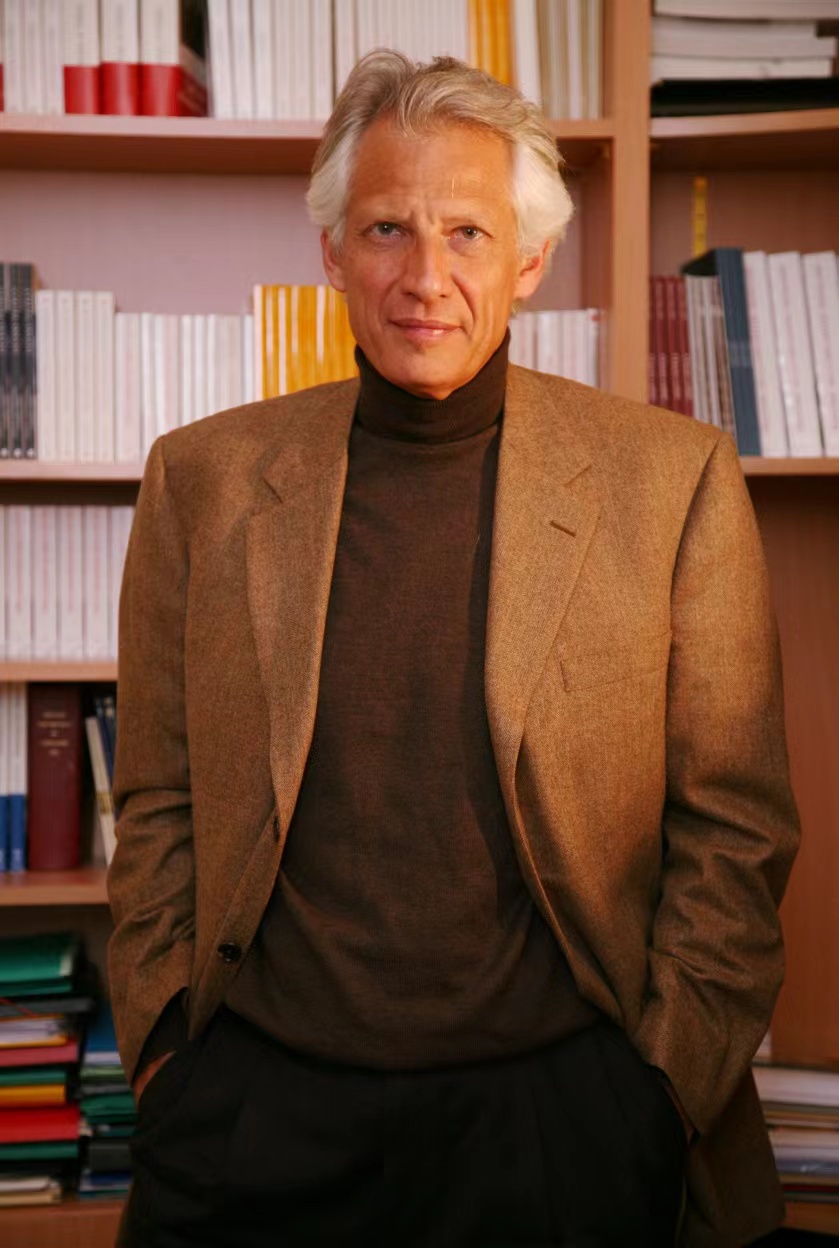 Chairman
August 2017 - PresentDominique de Villepin
Dominique de Villepin was born in 1953, graduated from the Institut d'Etudes Politiques de Paris and the École nationale d'administration (ENA), and holds bachelor's degrees in literature and law. He has served as Director of the Office of the Minister of Foreign Affairs of France, Secretary-General of the Élysée (French Presidential Palace), and Prime Minister of the French Republic. Currently, he serves as Chairman of the International Mountain Tourism Alliance (IMTA). (August 2017 – Term Expiry in 2026)
-
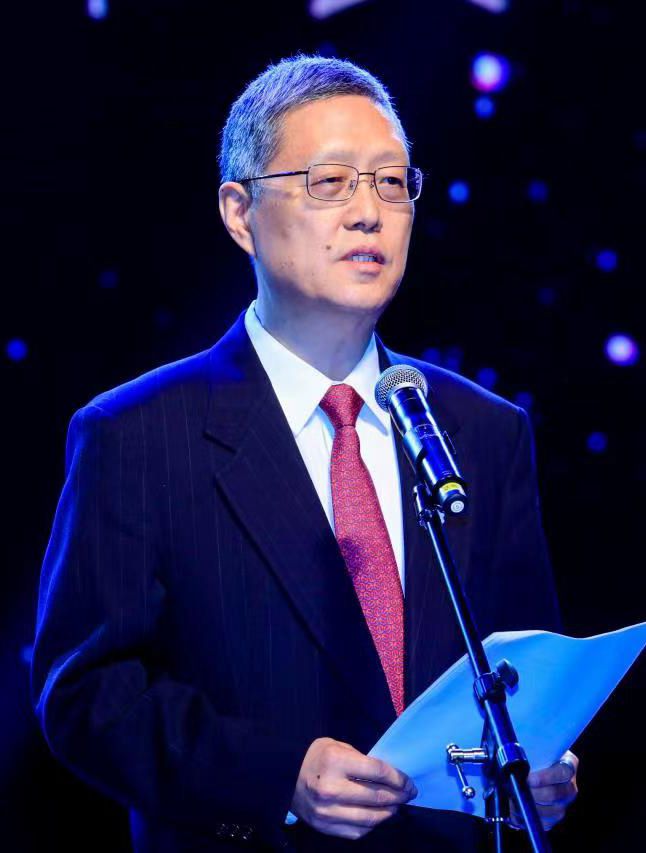 Vice Chairman & Secretary General
August 2017 - PresentHe Yafei
He Yafei was born in 1955. He holds a postgraduate degree from Beijing Foreign Studies University and studied at the Graduate Institute of International and Development Studies in Geneva. He has served as Counselor of the Permanent Mission of the People's Republic of China to the United Nations, Deputy Director-General of the Department of Arms Control of the Ministry of Foreign Affairs (MFA), Minister-Counselor and Minister of the Embassy of the People's Republic of China in the United States of America, Director-General of the Department of North American and Oceanian Affairs of the MFA, Assistant Minister of Foreign Affairs, Vice Minister of Foreign Affairs, Ambassador Extraordinary and Plenipotentiary and Permanent Representative of the People's Republic of China to the United Nations Office at Geneva and other International Organizations in Switzerland, and Deputy Director of the Overseas Chinese Affairs Office of the State Council.
-
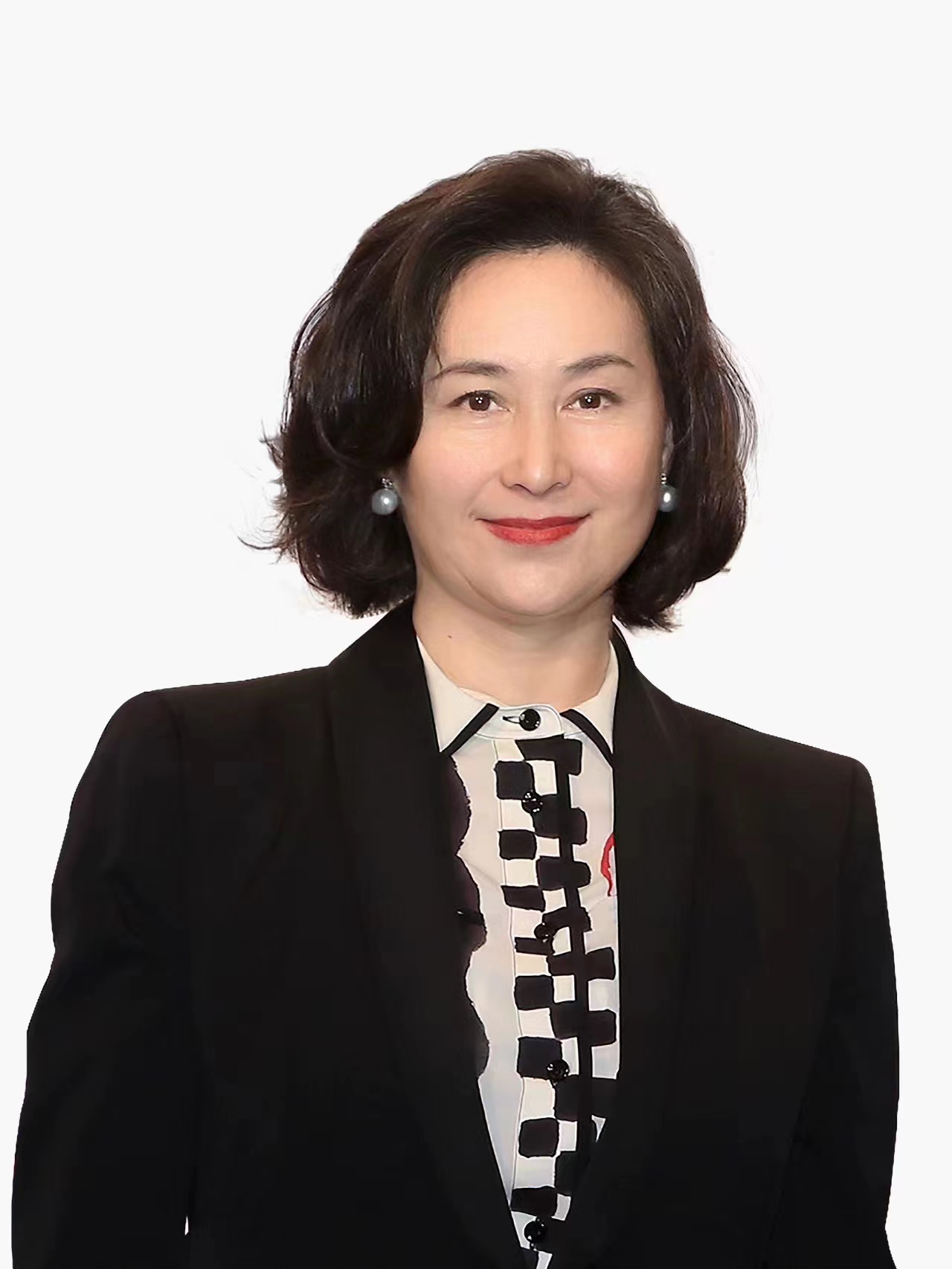 Vice Chairman
January 2023 - PresentPansy Ho Chiu-king
Pansy Ho Chiu-king serves as Vice Chairman and Secretary General of GTEF, Group Executive Chairman and Managing Director, Shun Tak Holdings Limited, Co-Chairperson and Executive Director of MGM China Holdings Limited.
-
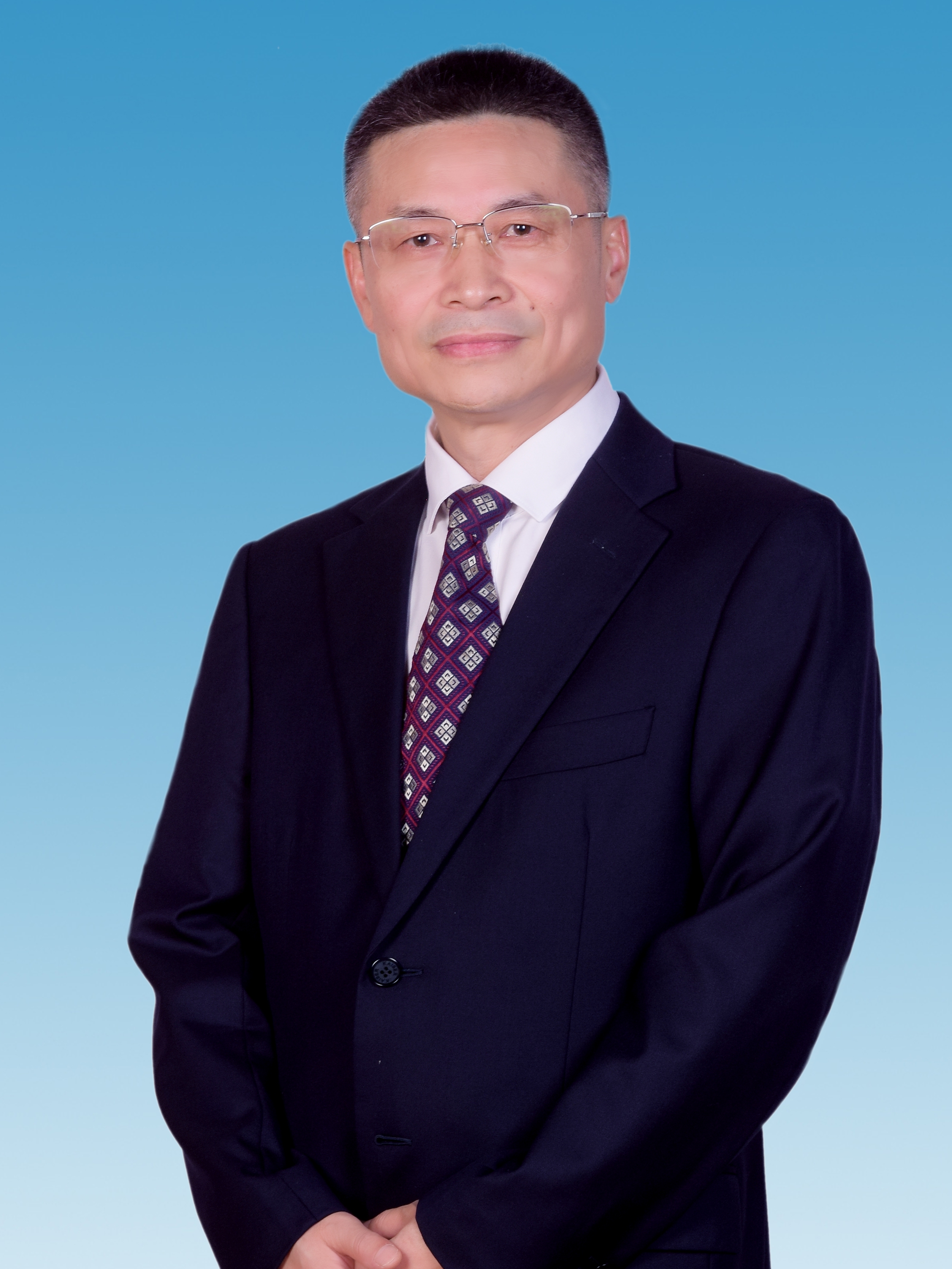 Vice Chairman&Executive Secretary General
Legal Representative
July 2025 - PresentAo Kemo
Deputy Director-General of the Guizhou Provincial Department of Culture and Tourism; Deputy Director of the Guizhou Provincial Bureau of Cultural Relics.
-
 Vice Chairman
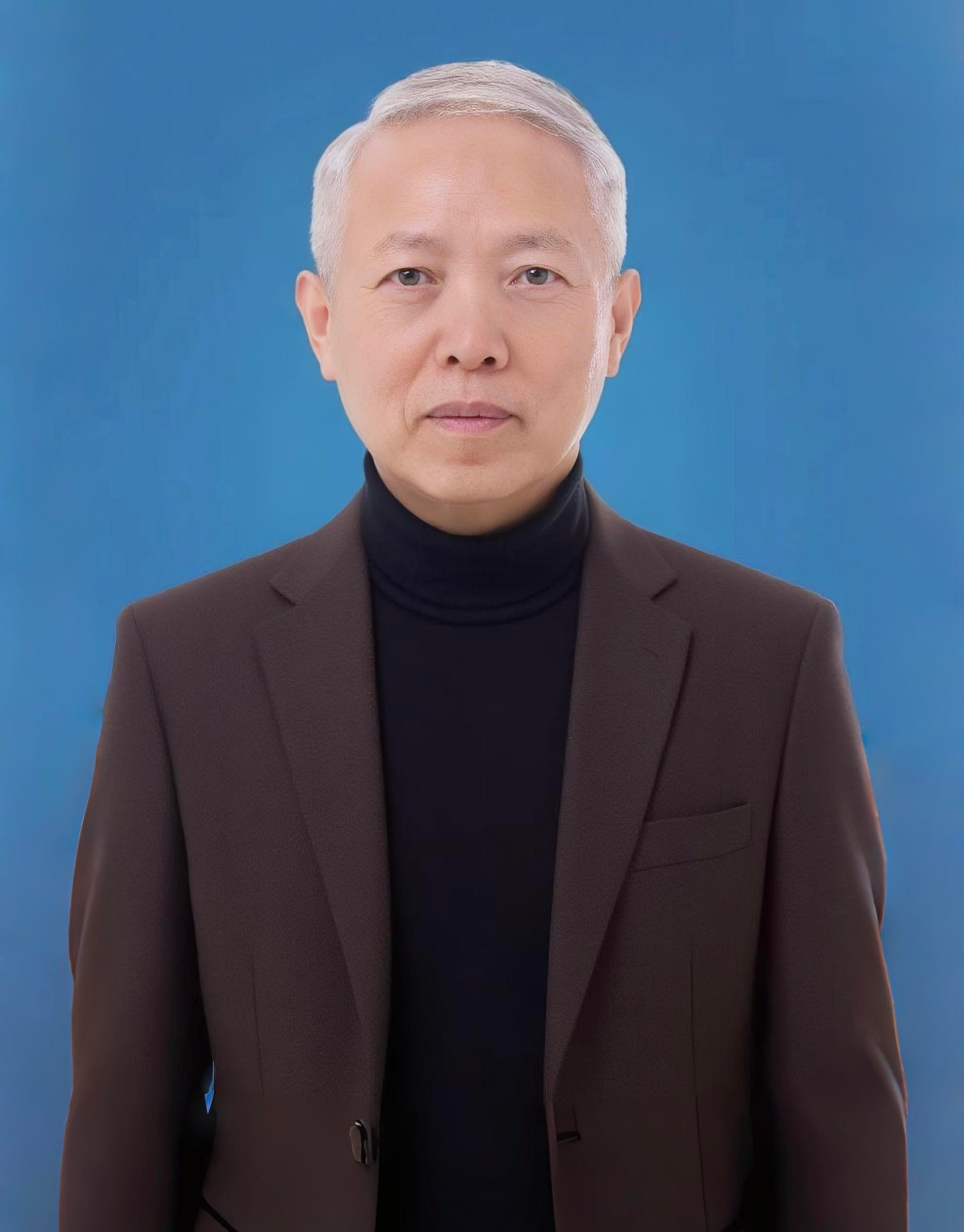
July 2025 - PresentLiu Zhaohui
Master of Arts in Language Arts, Oakland University, USA; Visiting Scholar, Australian National University; Doctor of English Language and Literature, School of Foreign Languages, Southwest University; Professor and Master's Supervisor. He previously served as President of Xingyi Minzu Normal University, and Deputy Director of the School Management Committee of Guizhou Normal University.
-
 Vice Chairman
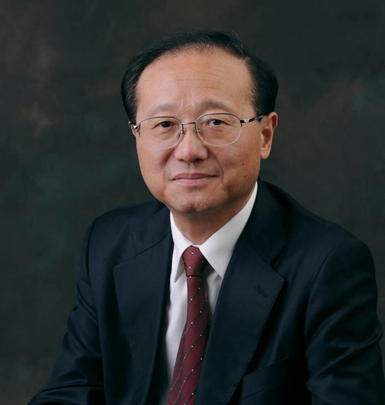
August 2017-December 2022 (Resigned)Shao Qiwei
Shao Qiwei, was born in 1953. He held posts such as Assistant Governor and Vice Governor of the People's Government of Yunnan Province, Chairman of the China National Tourism Administration (CNTA) and President of the China Tourism Association; is currently a member of the Standing Committee of the CPPCC National Committee, Honorary Presi-dent of the Association for Tourism Exchange across the Taiwan Straits and a part- time professor at Nankai University.
-
 Vice Chairman & Executive Secretary General
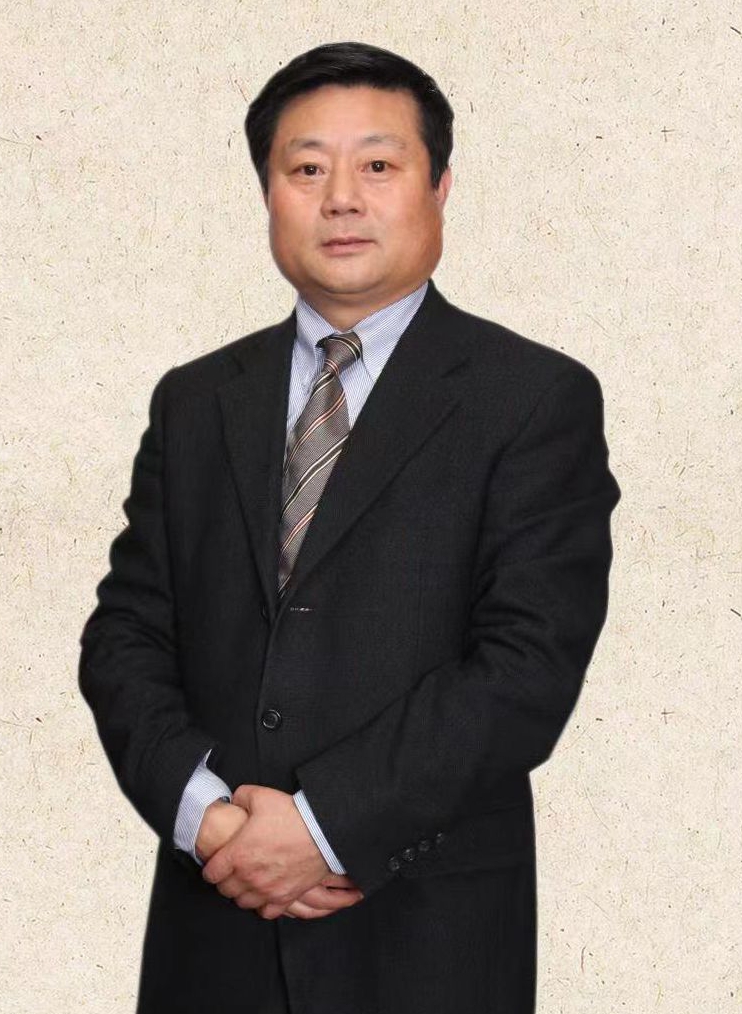
January 2023-July 2025 (Resigned)Fu Yingchun
Former Secretary of the Leading Party Members’ Group, former Director of the Guizhou Provincial Tourism Bureau and Chairman of Guizhou Tourism Association.





办公室
综合业务部
对外联络部
北京联络处
专家委员会
专业委员会
代表机构
投融资委员会
Investment and
Financing Committee山地温泉专业委员会
Mountain Hot Spring
Professional Committee
-
22-24 December 2025
The IMTA-hosted thematic training session on "Value Reshaping and Experience Upgrading: New Pathways for Mountain Tourism Development" was successfully held from 22 to 24 December at the IMTA's headquarters in Guiyang City, Guizhou Province. The training featured systematic, high-quality thematic presentations by invited domestic and international experts in tourism and related fields, attracting over 70 participants including IMTA members, industry representatives, and heads of mountain tourism destinations and related institutions. IMTA Vice Chairman Liu Zhaohui attended and delivered opening remarks at the training session.
-
19 December 2025
The 2025 China International Travel Mart (CITM) opened on 19 December at the Hainan International Convention and Exhibition Center. Under the theme "Nihao, China", this three-day event featured an exhibition area of 65,000 square meters, divided into five sections: Domestic Exhibition, Overseas Exhibition, Sunshine Hainan, Inbound Tourism Consumption, and Cultural-Tourism Integration. IMTA Vice Chairman Liu Zhaohui was invited to attend the opening ceremony and participate in a meeting with Hainan Provincial Governor Liu Xiaoming. The IMTA booth made a splendid appearance in the Overseas Exhibition section.
-
16 December 2025
The "World Tourism Economic Forum · Heilongjiang 2025" opened in Harbin on 16 December. Focusing on the theme "New Quality Productive Forces: A New Engine for the World Tourism Economy", the forum featured opening and closing ceremonies, keynote speeches, roundtables, cultural and tourism exhibitions, and a Heilongjiang Provincial Investment Promotion Symposium. IMTA Vice Chairman and Secretary-General He Yafei was invited to attend the opening ceremony and presided over the parallel forum "IMTA Session: Ice and Snow Economy and All-for-One Tourism: Building All-Season Lifestyle Destinations".
-
11 November 2025
The 2025 International Mountain Tourism and Outdoor Sports Conference opened in Guiyang City, Guizhou Province, on 11 November. Continuing the theme "Integration of Culture, Sports and Tourism, High-Quality Life," the conference hosted a series of activities including the IMTA Annual Conference, International Mountain Tourism Promotion Conference, research and exchange on Guizhou's mountain tourism formats, and the Guizhou Bank·Mountain Culture, Tourism, Sports and Outdoor Equipment Exhibition. Over 350 guests from 30 countries and regions gathered, including representatives from international organisations, relevant national governments and tourism departments, diplomatic missions in China, tourism-related enterprises, mountain tourism destination management agencies, experts, scholars, and media. Together, they explored new pathways for the integrated development of "Mountain Tourism Plus", shared new achievements in mountain tourism development, and jointly built a new future of prosperity for mountain tourism.
-
17 October 2025
The "2025 RCEP Member States World Heritage Sites Cooperation Alliance Member Conference" co-hosted by the Anhui Provincial Department of Culture and Tourism, the Foreign Affairs Office of the Anhui Provincial People's Government, and the Huangshan Municipal People's Government, opened in Huangshan City, Anhui Province, on 17 October 2025. The conference gathered representatives from RCEP member states, relevant international organisations, supporting units, and various sectors to explore new pathways for the sustainable development and regional cooperation of World Heritage sites. The IMTA attended as a specially invited unit. IMTA Vice Chairman Liu Zhaohui delivered a keynote speech titled "Co-building a New Ecosystem for RCEP Mountain Heritage Cooperation" at the event.
-
25-28 September 2025
The 2025 Tourism EXPO Japan, jointly organised by the Japan Association of Travel Agents, the Japan Tourism Association, and the Japan National Tourism Organization, was held at the Nagoya Aichi International Exhibition Center from 25 to 28 September. This large-scale expo attracted over 1,000 tourism-related enterprises and institutions from 82 countries and regions worldwide. Tourism EXPO Japan is one of the most influential global tourism events and the largest professional travel trade fair in Asia with strong brand influence. IMTA was invited to participate, and representatives from the IMTA Secretariat delivered a promotional speech at a dedicated session during the expo.
-
18 September 2025
The 19th UN Tourism/PATA Tourism Trends and Outlook International Conference was held in Guilin from 18 to 20 September. With the theme "Moving Forward in Unison: Paving New Ground for Tourism Ecosystems", this year's conference focused on resilience, sustainability, and smart tourism development, gathering global industry elites to deliberate on the future of tourism. IMTA Vice Chairman Liu Zhaohui attended the conference upon invitation, gave an on-site interview to the conference news center, and held working talks with UN Tourism Executive Director Liu Shijun and PATA Chair Peter Semone.
-
16 September 2025
The Fifth Hunan Tourism Development Conference was held in Huaihua from 16 to 18 September. Through a "3+4" multidimensional activity matrix, the conference showcased Hunan's new achievements and projects in cultural tourism, fully reflecting its innovative vitality and new aspects of industrial upgrading. IMTA Vice Chairman and Secretary-General He Yafei was invited to attend and deliver a speech at the opening ceremony. On behalf of IMTA, he extended warm congratulations on the conference's opening. He noted that Hunan, as a "treasure trove of mountain tourism", has a brand concept of "Three Xiangs and Four Rivers·Meet in Hunan" that highly aligns with the IMTA's purpose of "protecting mountain resources, passing on mountain civilisation, promoting mountain economy, and benefiting mountain communities".
-
12 September 2025
The 2025 China Cultural Tourism Industries Expo, hosted by the Ministry of Culture and Tourism, opened on 12 September at the Wuhan International Expo Center in Hubei Province. Centered on the theme "Deepening Cultural and Tourism Integration, Enjoying a Better Life", the expo covered an exhibition area of 100,000 square meters, integrating four functions: exhibition, performance, sales, and experience, with multiple business matching events held concurrently. IMTA Vice Chairman and Secretary-General He Yafei and Vice Chairman and Executive Secretary-General Ao Kemo led a delegation to participate and attended the opening ceremony and related events upon invitation.
-
29 May 2025
The 2025 International Mountain Tourism Day theme activities commenced on 29 May local time in Gran Canaria, Spain. With the theme "Mountains Embrace Seas, Humanity Coexists in Harmony – Mountain Tourism and Future-Oriented Cultural Inclusiveness," the event brought together representatives from international organisations, government officials, industry leaders, experts, scholars, and media from across the globe to explore a path of inclusive mutual learning and shared development for global mountain tourism. The theme activities featured an opening ceremony, thematic forums, a mountain culture and tourism exchange and sharing session, a China-Spain Cultural Tourism Exchange Exhibition, and a "Gran Canaria Night" welcome dinner. Guests participated in various formats, exchanging advanced concepts, discussing frontier issues, and deepening practical cooperation.
-
25-27 December 2024
The "IMTA Thematic Training on Mountain Tourism Format Innovation and Community Co-construction (Second Session)" was held in Shaoguan City, Guangdong Province, from 25 to 27 December. This training aimed to further expand on previous outcomes, promote exchange and mutual learning, inject new momentum for members and the industry, and enhance their professional capabilities in mountain tourism format innovation and community co-construction. The IMTA invited domestic experts in tourism and related fields to provide systematic, in-depth, and professional knowledge and case studies to trainees. Over 100 participants attended, including IMTA members, industry professionals, and representatives from mountain tourism destinations and related institutions.
-
22 November 2024
The 2024 China International Travel Mart (CITM), hosted by the Ministry of Culture and Tourism, opened on 22 November at the National Exhibition and Convention Center (Shanghai). Under the theme "Nihao, China", the three-day event featured an exhibition area of approximately 53,000 square meters, divided into six sections: Domestic Culture and Tourism, Cultural Tourism Technology, Museum Cultural Creativity, Inbound Tourism Facilitation and Services, Culture and Tourism Experience, and Overseas Culture and Tourism. The IMTA, together with 17 member units including Spanish regions Aragon and Gran Canaria, Xiangyuan Cultural Tourism, Club Med, Weisu, and Guizhou Youni Boat Sports Club, presented at the Overseas Culture and Tourism section. The rich display of new mountain tourism formats attracted keen interest from participants. The IMTA booth was awarded the "Best Organization Award" and the "Best Booth Award" by the organiser.
-
26-28 September 2024
The tourism exhibition area of the 21st China-ASEAN Expo was opened at the Guilin International Convention and Exhibition Centre from 26 to 28 September 2024. Compared to previous editions, this year's tourism exhibition achieved a comprehensive upgrade in both scale and quality, adopting a dual online and offline platform format. The offline exhibition area covered 60,000 square meters, featuring 7 thematic pavilions, with participation from institutions and enterprises of 43 countries and regions. The IMTA was invited to participate and showcased itself alongside domestic and international mountain tourism destination management agencies, outdoor equipment companies, and industry organisations in Hall No.7, the International Tourist Destinations Pavilion. IMTA expert and China Chief Representative of the International Federation of Nordic Walking (INWA), Xiao Gang, who is also a National-level Coach and Judge of INWA China, interacted with visitors on consumption trends and shifts in "Mountain Tourism + Outdoor Sports", sparking strong interest.
-
26-27 September 2024
The 2024 International Mountain Tourism and Outdoor Sports Conference, themed "Integration of Culture, Sports and Tourism, High-Quality Life," was grandly held from 26 to 27 September in Xingyi City, Qianxinan Prefecture, Guizhou Province. This conference marked a new step in Guizhou Province's exploration of innovative organisation mechanisms towards market-oriented and internationalised goals. As the host, the IMTA collaborated closely with various executing bodies of the conference organising committee. The IMTA Annual Meeting and its series of activities were closely interconnected with the conference's cultural, tourism, and sports events. Discussions focused on innovative paths for high-quality mountain tourism within the new development paradigm and sharing solutions for empowering the mountain economy with new quality productive forces. Over ten sporting events were brilliantly executed with fruitful outcomes, including the Wanfenglin Half Marathon, China Mountain Bike League, China·Anlong International Climbing Week & First "Rock Travel Guizhou" Climbing Carnival, and the Wanfenglin Hiking Trail Obstacle Race. A series of events, including the "Civilisational Exchange and Integrated Cooperation – Embarking on a New Journey for Asian Mountain Tourism" promotion conference, the "New Quality Productive Forces Empowering Sustainable Mountain Tourism" annual meeting, and the "World Mountain Nature and Culture Photography Exhibition", demonstrated distinctive and synergistic effects of mutual learning and shared prosperity. This was a beneficial practice of the IMTA actively participating in the international development of Guizhou's mountain tourism and helping build a world-class tourist destination. The conference released several key outcomes, including the "World Famous Tourism Mountains" certification standards, announced the first batch of 14 "World Famous Tourism Mountains" and the third batch of "International Mountain Hiking Tourism Demonstration Routes". It presented plaques to Xingyi as a "World Health and Wellness Demonstration City" and to Gran Canaria, Spain, as the host of the 2025 International Mountain Tourism Day theme activities. It also unveiled the IMTA Xingyi Liaison Office. The conference outcomes provided new value and impetus for mountain tourism theory and practice, garnering extensive attention and coverage from domestic and international media.
-
26 September 2024
On September 26, 2024, the IMTA Annual Conference 2024 opened in Xingyi, Guizhou Province. With the theme of "Inclusiveness, Mutual Learning, Innovation—Empowering Sustainable Mountain Tourism with New Quality Productive Forces," the conference pooled wisdom and strength from across the industry to discuss and share innovative development paths for high-quality and sustainable mountain tourism in the context of the new era, with a particular emphasis on empowering the sector through new productive forces.
-
June 2024
The Ministry of Culture and Tourism announced the results of the 2023 evaluation of social organizations, and the International Mountain Tourism Alliance was awarded the honorary title of "Excellent" by the Ministry of Culture and Tourism for social organizations.
-
29 May 2024
The sixth International Mountain Tourism Day theme activities, initiated by the IMTA, kicked off in Nice, France. Industry guests from around the world gathered to present a distinctive cultural and tourism feast themed "Mountain Tourism Embraces a World of Civilisational Exchange". Representatives from the Chinese Embassy and Consulates in France, French cultural and tourism departments, the Paris Office of the China National Tourist Administration, local government, heads of international organisations, IMTA members, travel agencies, tourism-related enterprises, industry experts, and media engaged in constructive and forward-looking exchanges on two key topics: "Mountain Tourism for Civilisational Exchange" and "Climate Change and Mountain Tourism Responses". Their unique insights and practical experiences, shared from diverse perspectives, turned the event into a forum for disseminating civilisational values, fostering mutual learning and connectivity, and promoting innovation in the "Mountain Tourism Plus" model and the "China Story". During the event, the IMTA Sino-French mountaineering team successfully summited Mont Blanc. Following the successful hoisting of the IMTA flag atop Mount Qomolangma (Everest) in 2019, this marked another ascent of a European peak, with the "Nihao, China" and "International Mountain Tourism Day" banners proudly waving atop a world-renowned summit, symbolising the IMTA's unwavering determination and spirit of striving for excellence. Being the Alliance's first international event held in Europe, its timely theme resonated with the backdrop of major global initiatives. Its rich content and interactive format were highly praised by attendees. Official platforms such as the website of China's Ministry of Foreign Affairs and international media provided positive coverage, accumulating new experience for the IMTA in practically promoting people-to-people diplomacy and enhancing its capacity to participate in and advance global tourism governance.
-
30 January 2024
On 30 January 2024, Dominique de Villepin, former Prime Minister of France and Chairman of the International Mountain Tourism Alliance (IMTA), attended and delivered a warm address at the "Nihao, China" tourism promotion event of the China-France Year of Tourism in Paris, France, upon the invitation of China's Ministry of Culture and Tourism. He stated that the two great civilizations of China and France have long been mutually attractive, and their cooperation and exchanges have yielded fruitful results and rich experience, creating many cultural heritages of humanity of which we are proud. Seizing new opportunities, the IMTA has proposed developing new partnerships among nations, cities, and regions based on respect, innovation, and sharing. These partnerships would implement exchange programs and promote integrated cultural tourism products in respective markets. While fostering joint investment, there is a focus on actively developing a form of tourism that is green, environmentally friendly, and localised — one that places greater emphasis on health, sports, and family, with particular attention to key target groups such as youth, the elderly, and persons with disabilities. With the joint support of international organisations and institutions such as the UN Tourism, China's Ministry of Culture and Tourism, and Guizhou Province of China, the IMTA has achieved encouraging results in theoretical exploration, mechanism innovation, and platform building. Minister of Culture and Tourism Sun Yeli met with Chairman de Villepin and other important guests. The "Nihao, China" tourism promotion was a key cultural and tourism event hosted by China's Ministry of Culture and Tourism, consisting of a "China-France Tourism Dialogue" and a promotion session. It showcased the unique charm of China's cultural and tourism resources through various means such as promotional presentations and intangible cultural heritage performances. Over 500 guests attended, including representatives from tourism authorities, travel agencies, and media of both countries. Chairman de Villepin's participation as a distinguished guest demonstrated the Alliance's new image within the international tourism sector.
-
December 2023
The special training session on "IMTA Mountain Tourism Business Innovation and Community Co-construction" was held in Chengdu. The training focused on in-depth analysis and case sharing around the theme, exploring and grasping the characteristics and laws of mountain tourism operation, and obtaining methodologies for ideological guidance and practical support.
-
November 2023
The 2023 China International Travel Mart, co-hosted by the Ministry of Culture and Tourism of China, the Civil Aviation Administration of China, and the Yunnan Provincial Government, was grandly opened in Kunming, Yunnan Province on November 17th. The theme of "Hello, China" attracted representatives from the tourism departments of South Africa, Thailand, Myanmar, Cambodia, Vietnam, Nepal, Malaysia, Laos and other countries, as well as international organizations such as the United Nations World Tourism Organization, the World Tourism Alliance, the Asia-Pacific Tourism Association, the International Mountain Tourism Alliance, the Pacific Tourism Organization, and the Shanghai Cooperation Organization. Representatives from various fields of the global tourism industry participated in the fair. The grand scale and strong popularity of the fair showed a good expectation of rapid recovery of international and domestic tourism.