


With its main peak rising to 8,091 meters, Annapurna is the world’s tenth-highest mountain. It refers not to a single summit but to a massive mountain massif in north-central Nepal, considered one of the most classic trekking destinations in the Himalayas.
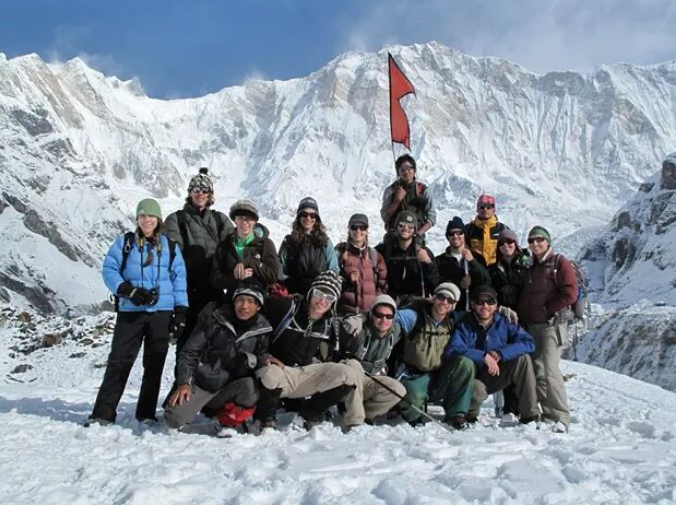
The Annapurna Conservation Area was established in 2020. The region’s allure lies in its extraordinary landscape diversity and rich cultural heritage. In just a few days of trekking, the scenery shifts dramatically from subtropical green terraces and forests to high-altitude desert passes and eternal glaciers, creating an unparalleled visual impact. Along the trails circling the Annapurna range, traditional villages of the Gurung and Magar ethnic groups offer glimpses into Tibetan Buddhist culture and the warm hospitality of the Sherpa people.
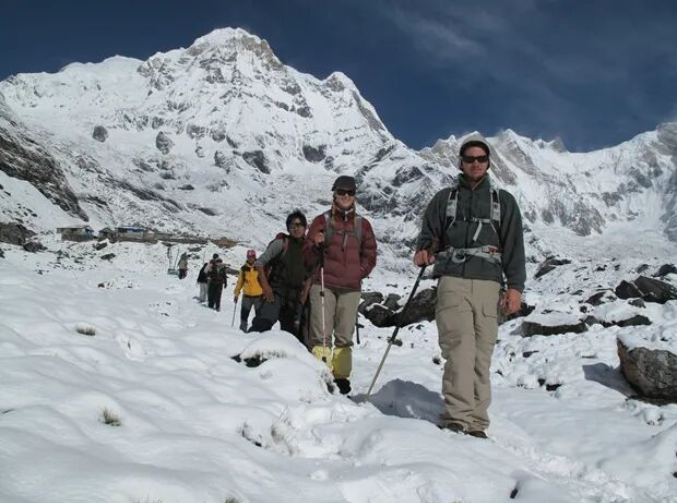
The classic route is the Annapurna Circuit, covering about 160–230 kilometers and taking 15–20 days, with its highest point at the Thorong La Pass (5,416 meters). For those with limited time, the Annapurna Sanctuary Trek or the shorter Poon Hill Circuit are popular alternatives. The best seasons are autumn (October–November, with stable weather and clear skies) and spring (March–May, when mountain flowers bloom). Note that a trekking permit is required for the Annapurna Conservation Area, and proper acclimatization is essential due to the significant altitude changes.