


The International Mountain Tourism Day 2026 Theme Events opened on 29 May in Shennongjia, Hubei Province. With the theme "Preserving World Heritage, Sharing the Prosperity of Famous Mountains — Zhiyin Hubei, Mysterious Shennongjia", the gathering brought together representatives from international organizations, foreign embassies and consulates in China, cultural and tourism authorities,, and media professionals from around the world to explore pathways for the coordinated development of ecological protection and cultural tourism. The program featured the Opening Ceremony, the Dialogue among World Famous Mountains 2026, the Investment and Business Meeting for Mountain Culture and Tourism, and a series of other events. Guests participated in various formats, sharing cutting-edge ideas and deepening practical cooperation. Hikmat Singh Ayer, Officiating CEO of Nepal Tourism Board (NTB), delivered a speech at the 2026 Dialogue among World Famous Mountains.
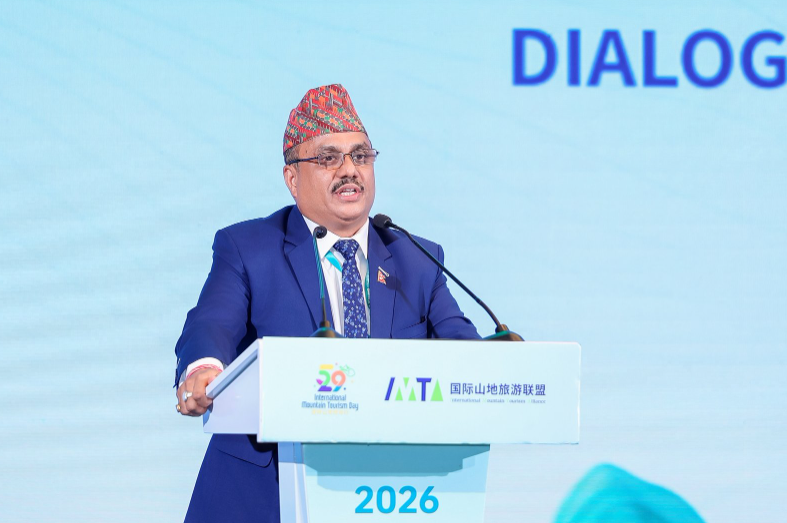
The following is the full text of the speech:
It is a great honor to speak at this gathering of the International Mountain Tourism Alliance (IMTA) here in the beautiful Shennongjia, Hubei. On behalf of Nepal Tourism Board and the Nepalese tourism community, I sincerely thank the IMTA Secretariat and the organising team for inviting me and our delegation to this important event.
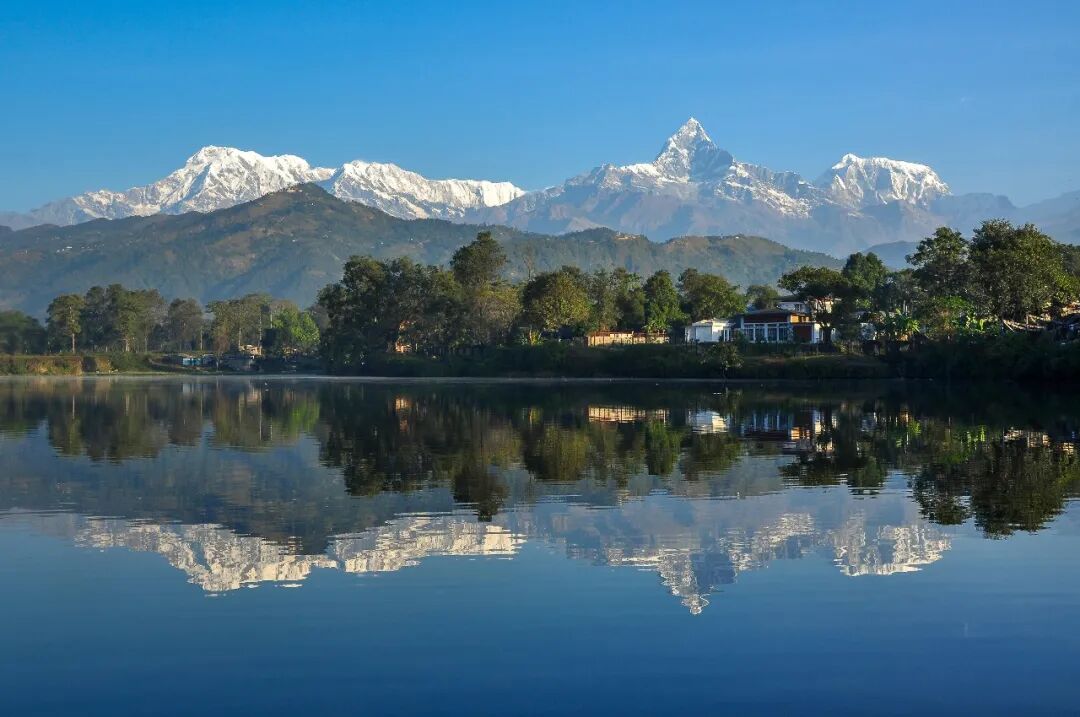
Phewa Lake, Nepal
Source: pexels@chu-uyen
When IMTA was just getting started, it faced one of the biggest challenges of our time — the COVID-19 pandemic. It was a true test of strength and survival. I deeply admire the leaders of IMTA who held firm during those difficult years and guided the Alliance forward. Today, IMTA stands stronger than before, and that is something worth celebrating.
As a founding member of IMTA, Nepal Tourism Board had the honour of hosting an IMTA event in 2019, together with the Nepal Association of Tour and Travel Agents (NATTA) and other tourism partners. I remember that event with warmth and joy. We are truly grateful for the trust and friendship shown to Nepal by this Alliance.
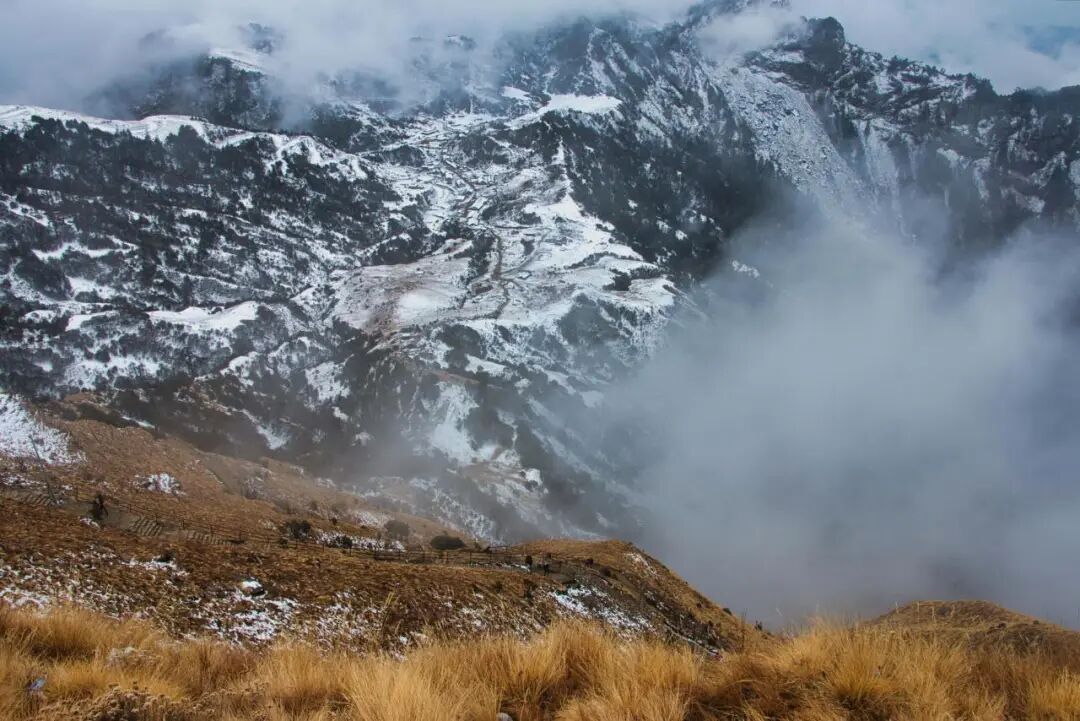
Kuri Village, Bagmati Province, Nepal
Source: pexels@bijaypakhrin
I. THE STATE OF GLOBAL TOURISM TODAY
Ladies and Gentlemen, today’s global tourism faces serious challenges. The world is dealing with economic slowdowns, the after-effects of COVID-19, ongoing conflicts in various parts of the world, and more frequent natural disasters — such as wildfires, floods, heatwaves, earthquakes, and storms. All of these have had a significant impact on tourism.
Yet despite all this, tourism remains one of the world’s biggest industries. This shows just how important — and how resilient — tourism is in the global economy. In this difficult environment, one promising direction for the sector is a stronger focus on Health and Wellness Tourism.
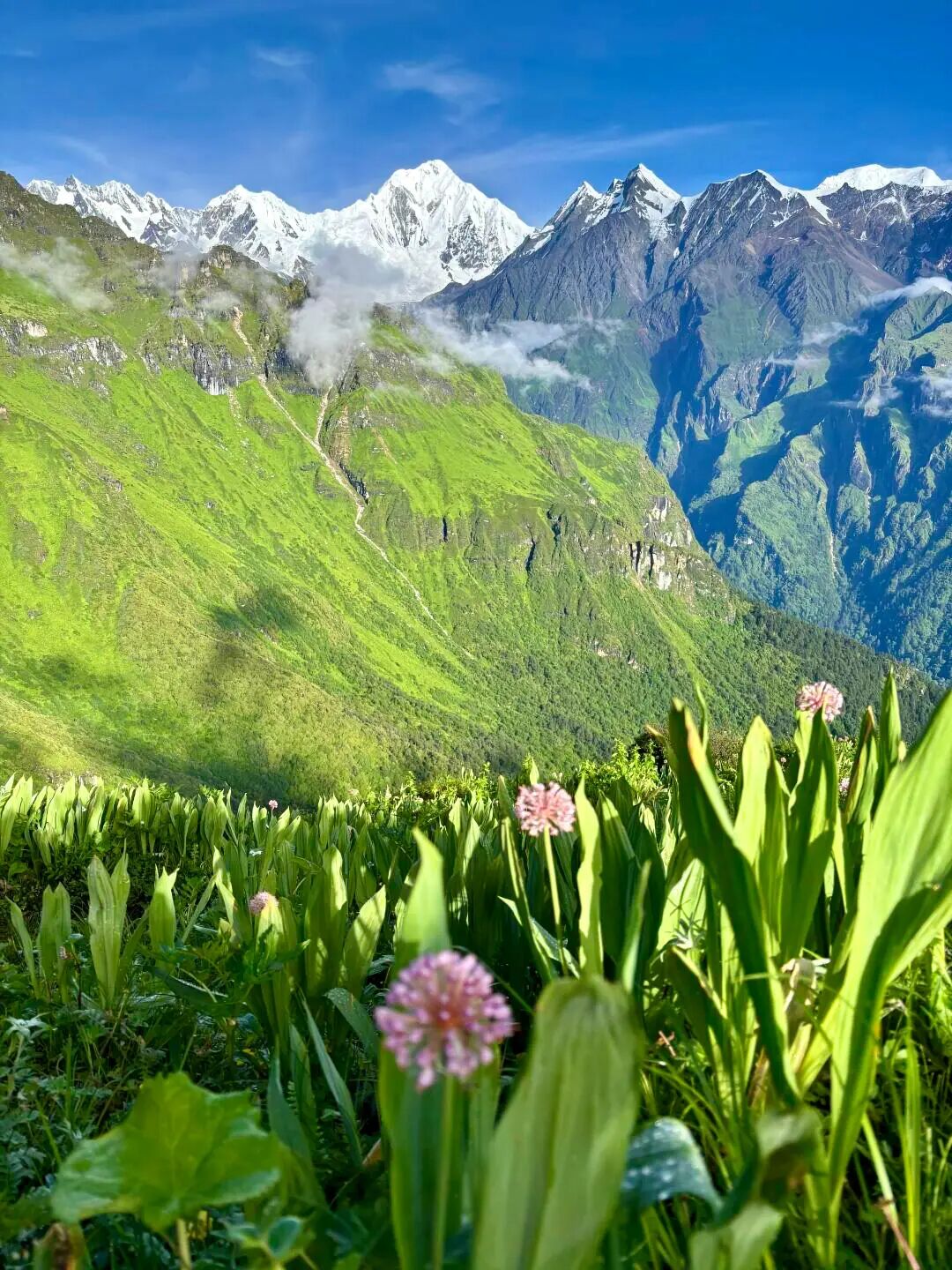
Rich biological resources in Nepal
Source: pexels@noor-din
II. THE RISE OF HEALTH AND WELLNESS TOURISM
Health and Wellness has always been part of tourism, but it was often overlooked. The COVID-19 pandemic changed that completely. It pushed health and safety to the top of every traveller’s list. Today, people think carefully about their health when planning a trip — and that priority is here to stay.
This shift has also changed what travelers look for in a destination. More and more people are moving away from busy, crowded places and indoor activities. They want open spaces, clean air, and natural settings. They prefer healthy food over heavy meals, and peaceful rural communities over noisy city centers.
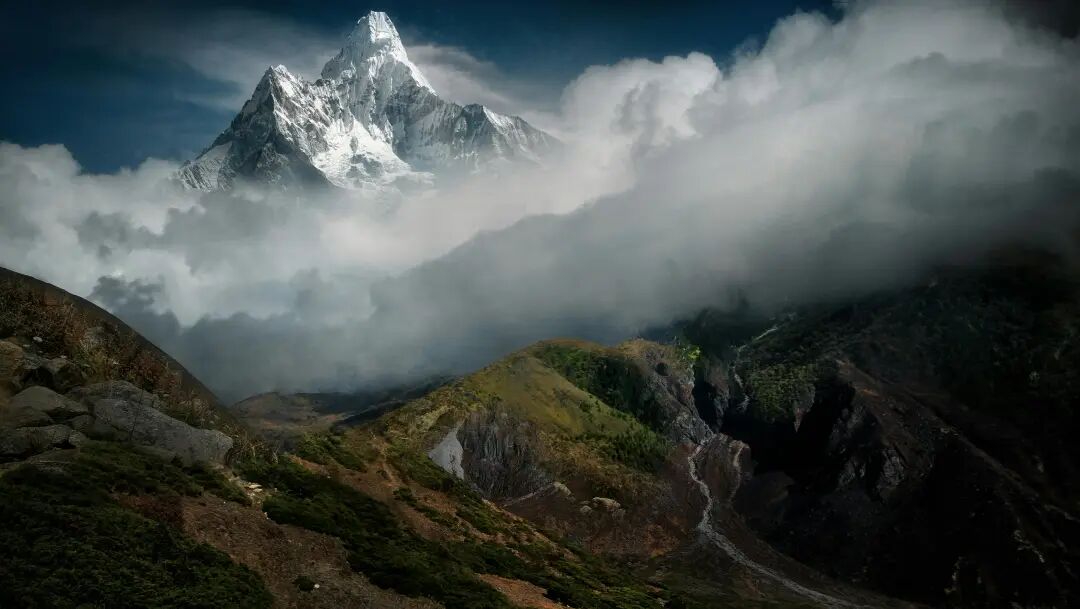
Ama Dablam, Nepal
Source: pexels@muhammad-hary
These new preferences are a perfect match for mountain destinations — places that naturally offer nature, culture, adventure, and good health all in one.
III. NEPAL: A NATURAL HOME FOR HEALTH AND WELLNESS TOURISM
Nepal, where about 83 percent of the land is made up of mountains and hills, is ideally placed to offer world-class Health and Wellness Tourism.
Nepal is home to eight of the world’s fourteen highest mountains — including Mount Everest — and more than 1,400 peaks above 5,000 meters. About 23 percent of the country is protected land, including National Parks, Wildlife Reserves, and Conservation Areas. Three major river systems flow from the snow-covered Himalayas across the country, supporting rich wildlife and healthy ecosystems.
Nepal is also home to beautiful lakes, dense forests, and an amazing variety of animals.
Beyond nature, Nepal has a deep tradition of healing and wellness. Our mountains produce a wide range of medicinal plants and herbs. Nepal’s ancient practices of Ayurveda, naturopathy, meditation, spiritual healing, and spa wellness offer something truly special for those seeking rest, balance, and renewal.
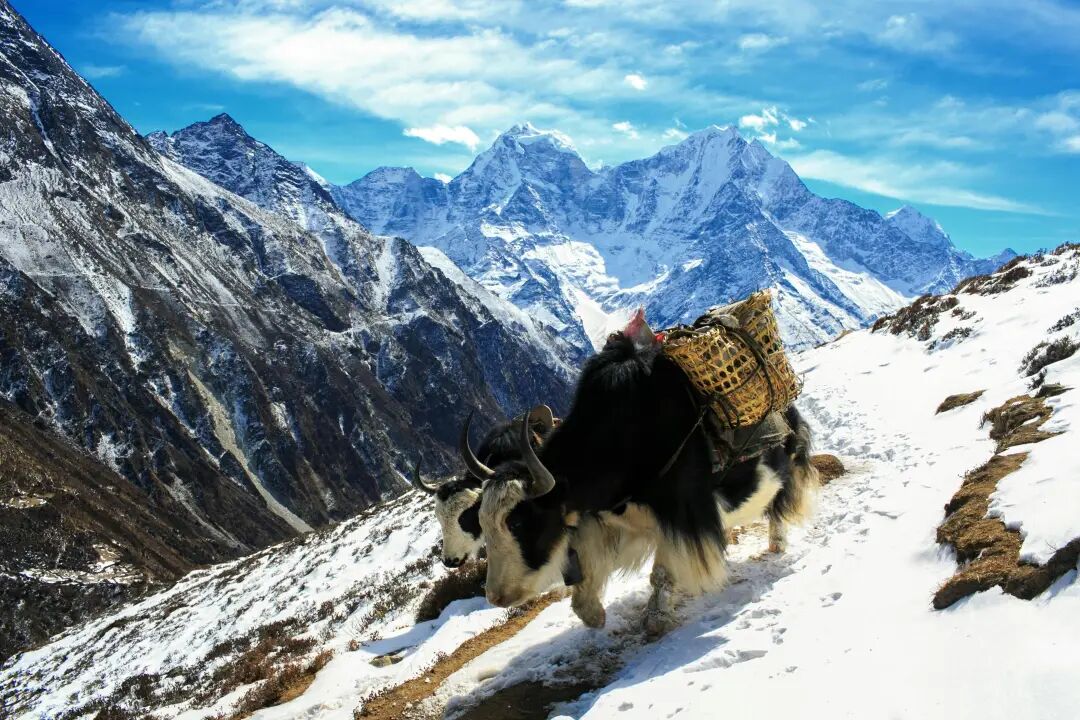
Peaks in the Nepal region
Source: pexels@the-napal-trekking
As the world increasingly seeks meaningful, mindful, and restorative travel experiences, Nepal stands ready to emerge as a leading destination for wellness tourism. Our majestic mountains, sacred heritage, healing traditions, biodiversity, and warm hospitality together create an experience that is authentic, transformative, and unforgettable.
In short, Nepal offers a complete experience for the Body, Mind, and Soul — right in the heart of the Himalayas. Here, wellness is not merely a service — it is a way of life deeply rooted in our culture, traditions, spirituality, and natural environment.
I warmly invite all travelers from around the world to visit Nepal for more Mountain based Adventurous activities along with our new campaign for “Nepal Wellness Year 2027,” and enjoy an experience they will never forget.
IV. OUR COMMITMENT TO SUSTAINABILITY
Sustainability is no longer just a nice idea — it is a necessity. Nepal takes this responsibility seriously. Our approach to tourism is built on protecting nature, preserving culture, and supporting local communities.
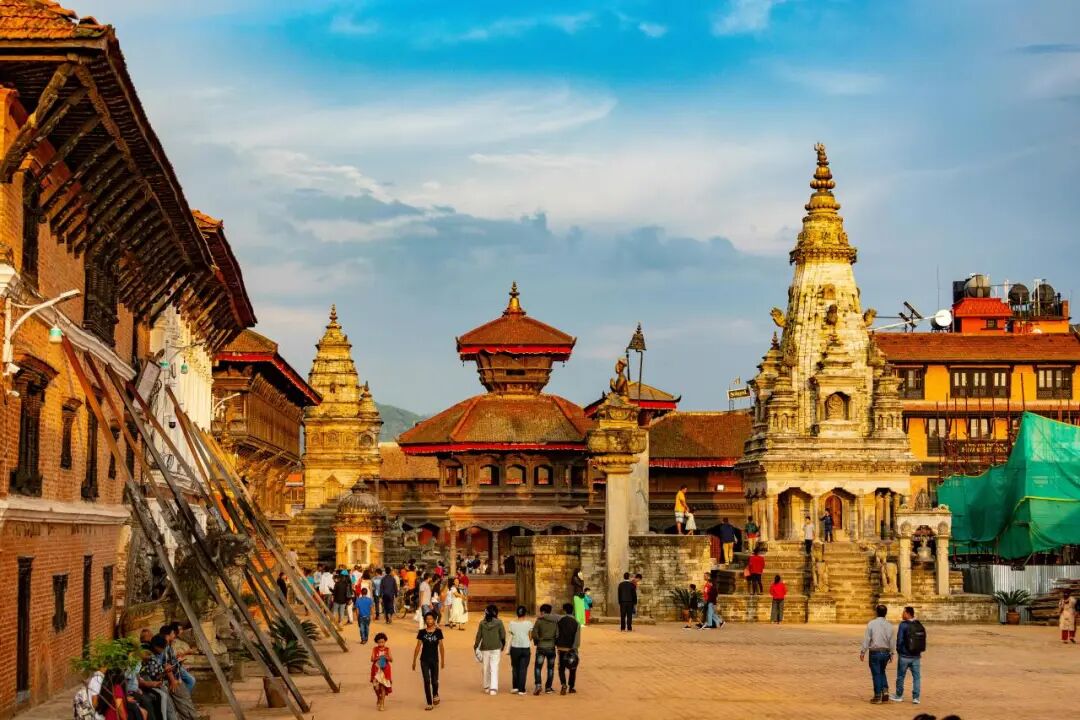
Bagmati Province, Nepal
Source: pexels@vome
Nepal’s natural beauty and cultural heritage have been carefully passed down through generations. We are committed to keeping it that way — not just for today’s visitors, but for those who come after them. Nepal is a place where all kinds of travelers can find what they are looking for, whether it is adventure, peace, cultural experiences, or healing.
Nepal has been an active member of IMTA since 2019. We believe that working together with our international partners is the best way to achieve sustainable, responsible, and innovative mountain tourism. We look forward to growing this partnership further.
V. CLOSING
Distinguished guests, as we come together here in Shennongjia to discuss Ecological Conservation and Innovative Development of Mountain Tourism, I am confident that our shared knowledge and commitment will produce real and lasting results for mountain tourism around the world.
Nepal is fully committed to this process — and to turning the ideas from this conference into meaningful action on the ground. We are proud to be partners in building a stronger, more sustainable future for mountain tourism. I wish this conference every success. Dhanyabad. Thank You.
Unless otherwise credited, all text and images are sourced from: International Mountain Tourism Alliance (IMTA)
Editor Ⅰ: Zhang Congxiao
Editor Ⅱ: Zhang Wenwen
Editor Ⅲ: Zhang Yijing