


From Holyhead in the UK, board a ferry and head west. Over the three-hour crossing, the Atlantic waves stretch out before you, and as the ship slowly docks, you suddenly tumble into boundless greenery.
This is a lone island on the western edge of the European continent, facing the island of Great Britain across the sea at a distance of 103 miles, where 5.28 million people dwell. This is the land known to the world as the "Emerald Isle"—Ireland. The "emerald" here does not refer to emerald ore hidden on the island, but to the entire island overflowing with vitality, where everywhere you look is a bright green saturated with moisture.
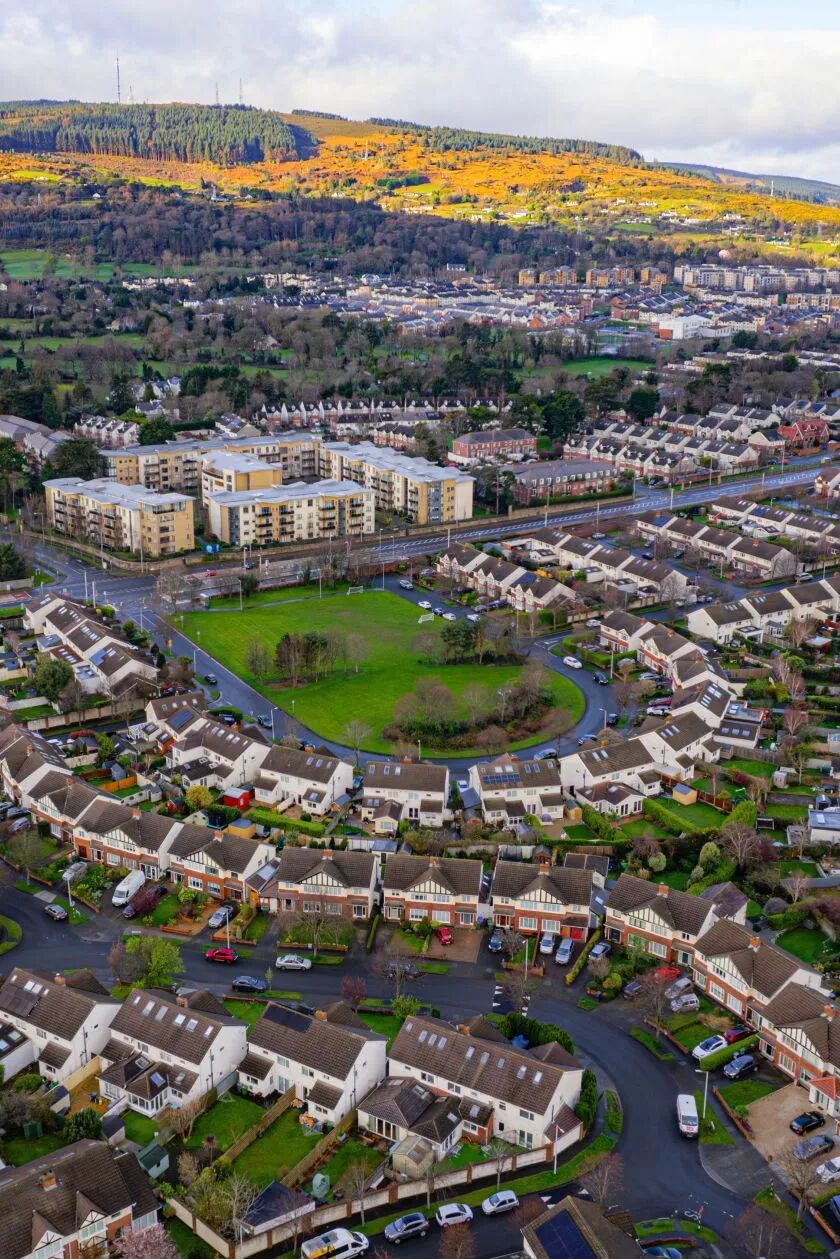
Irish city street. Source: Pexels@vijay-adity-m
An Atlantic Island Nation Without "Snakes"
Although Ireland is an island nation, its overall topography resembles a shallow basin: mountains surround the periphery, while the center consists of low-lying plains and gentle hills. The central plain mostly sits at 30–120 meters above sea level, interspersed with low hills, where forests and grassland pastures stretch out continuously. Mountains ring the east, north, and south of the island, while the southwest coast features a continuous line of coastal cliffs.
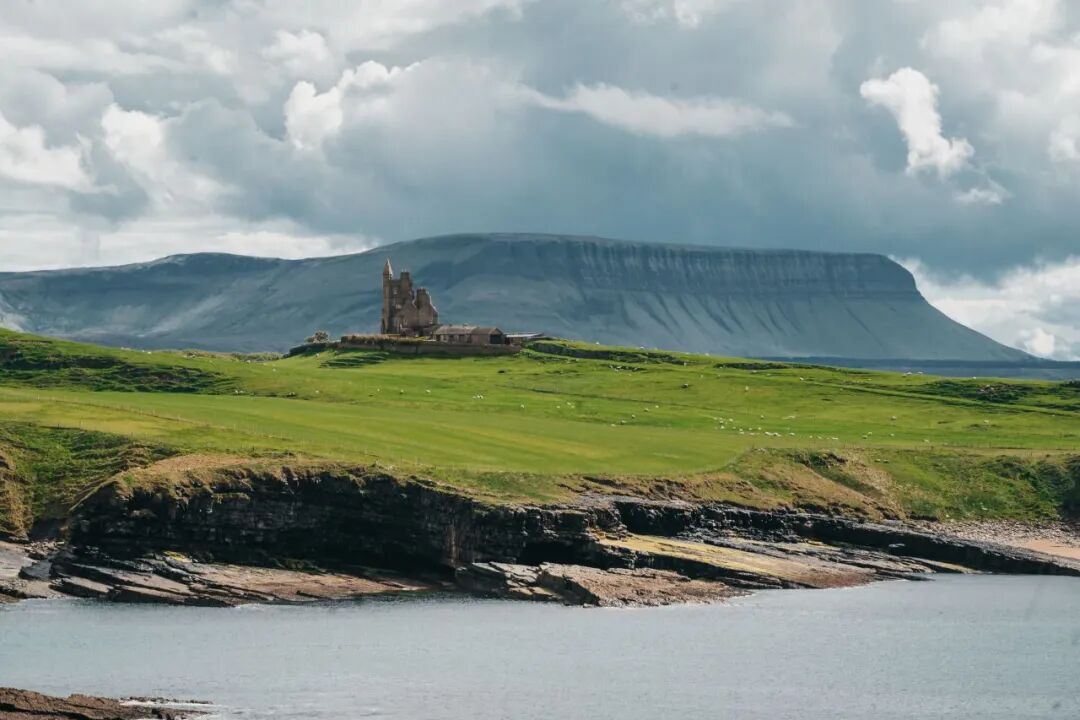
Classiebawn Castle, Ireland. Source: Pexels@shtwfutsa
Ireland's rock formations were mostly formed from marine deposits of the Paleozoic and Mesozoic eras, primarily ancient sedimentary rock and basalt columns. This unique geology has sculpted a wild west coast, creating a series of majestic coastal cliffs and spectacular marine erosion landforms that are truly awe-inspiring.
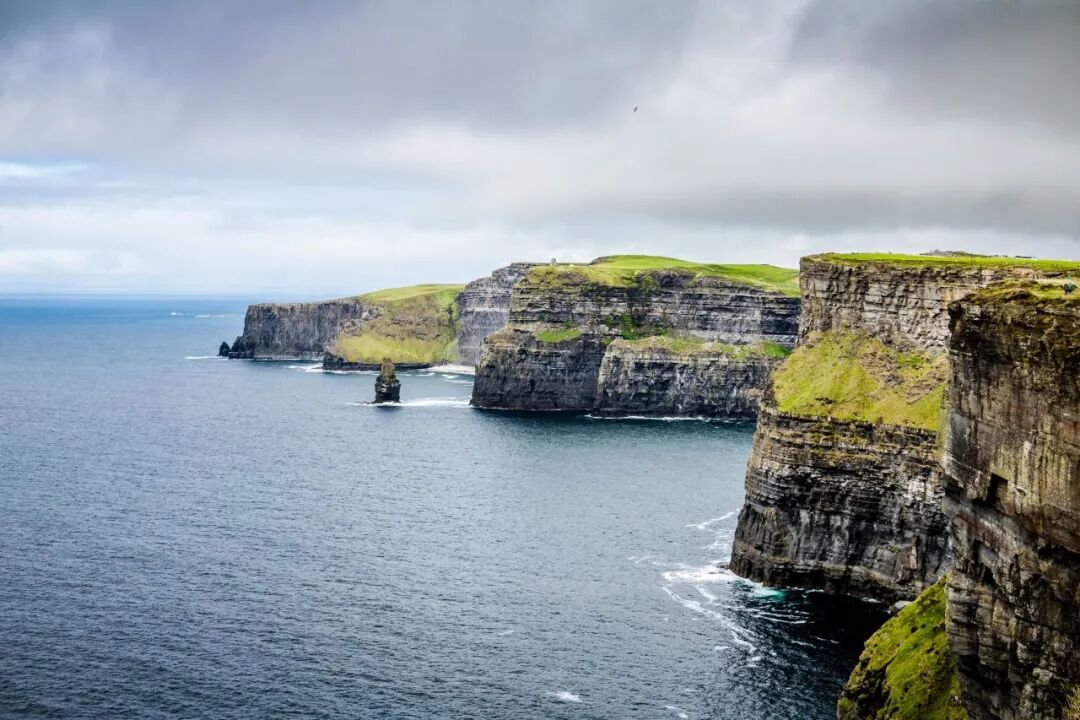
Irish coastline. Source: Pexels@lkloeppel
This exceptional geographical environment also makes Ireland one of the few regions in the world without native snake species. 2.58 million years ago, the Earth entered an ice age; approximately 10,000 years ago, glaciers between Ireland and Great Britain melted, and the meltwater swallowed the land bridge connecting the two. However, the land connection between Great Britain and continental Europe was not submerged by seawater until 2,000 years later. As the climate warmed, snakes from continental Europe gradually migrated to Great Britain, but by then Ireland had already been isolated by the sea, and snakes could no longer cross the water to reach the island.
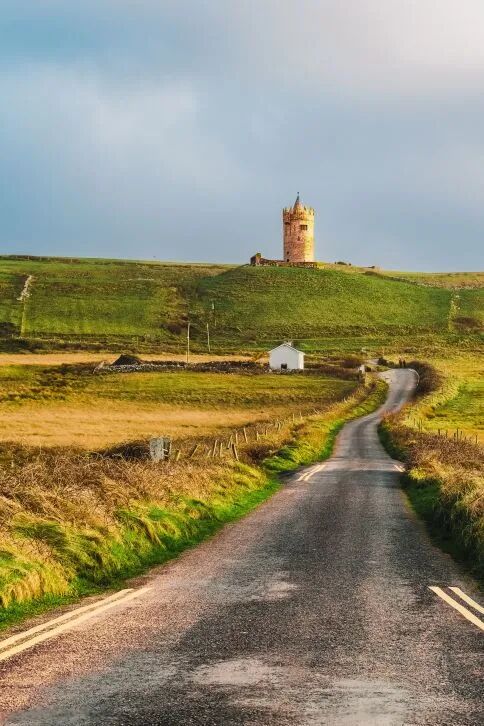
Donegal Castle, Ireland. Source: Pexels@vijay-aditya-m
Some may wonder: aren't there sea snakes in the ocean? Sea snakes prefer warm tropical waters. Ireland is located at mid-to-high latitudes and has a temperate maritime humid climate; its seawater remains cool year-round, making it unsuitable for sea snakes to survive and reproduce. The dual barriers of land and sea together create the wondrous phenomenon of a snake-free Ireland.
Editor Ⅰ: Zhang Congxiao
Editor Ⅱ: Zhang Wenwen
Editor Ⅲ: Liu Guosong