


On October 12, 2026, China Southern Airlines will launch the Guangzhou–Changsha–Addis Ababa route, operating twice weekly with Boeing 787 aircraft. This is Hunan's second direct route to Africa, and from Addis Ababa, travelers can connect to 60 African cities. The Ethiopian Embassy in China has simultaneously revealed that a 7-day transit visa-free policy for Chinese travelers is being planned, so transit through Addis Ababa will no longer be confined to the airport transit area.
Most people's impression of Africa remains fixed on the Sahara Desert, savanna wildlife, and primitive tribes. But Ethiopia, situated on the East African Plateau, completely shatters this stereotype. Here, greenery surrounds you year-round and the climate is mild and humid, entirely free of the scorching desolation of Africa's interior; it possesses an ancient civilization with three thousand years of unbroken continuity; it is the core cradle of human origins and the native home of Arabica coffee, harboring a faith heritage and human vitality unique to East Africa.
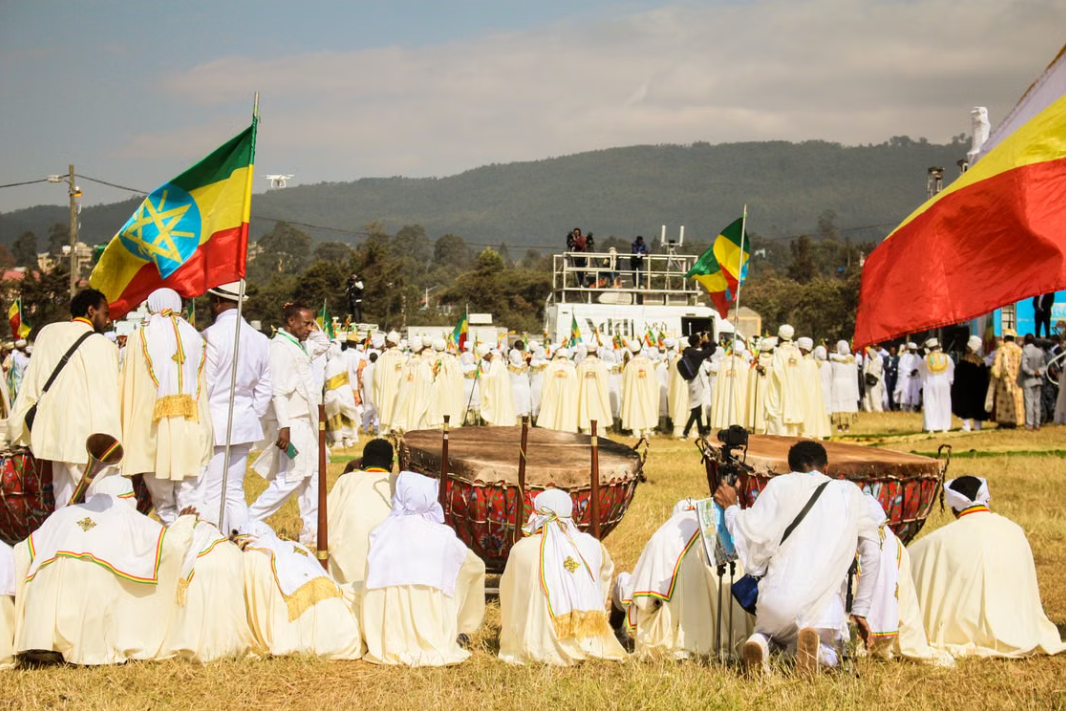
Ethiopia. Source: pexels.com@Lan Yao
Precisely because of this uniqueness, it is called by countless travelers "the African country that least feels like Africa." Public understanding of it remains shallow, yet few know that this red plateau preserves architectural wonders that astonish the world, a civilization spanning millennia, vibrant and primitive tribal cultures, and gentle, unadorned coffee rituals. Today, we follow the travel trend to unlock four lesser-known treasures of Ethiopia.
Lalibela
Eleven Churches Hewn from Solid Rock
In the small highland town of Lalibela in northern Ethiopia lies a cluster of rock-hewn churches hailed as an "African architectural miracle" and inscribed as a UNESCO World Heritage Site. Unlike the vast majority of churches worldwide, which are built up from assembled stones, Lalibela's eleven churches were all carved by hand from top to bottom out of solid volcanic tuff mountainsides, with not a single brick or tile pieced together, seamlessly integrated with the earth—a unique, singular creation in the history of human architecture.
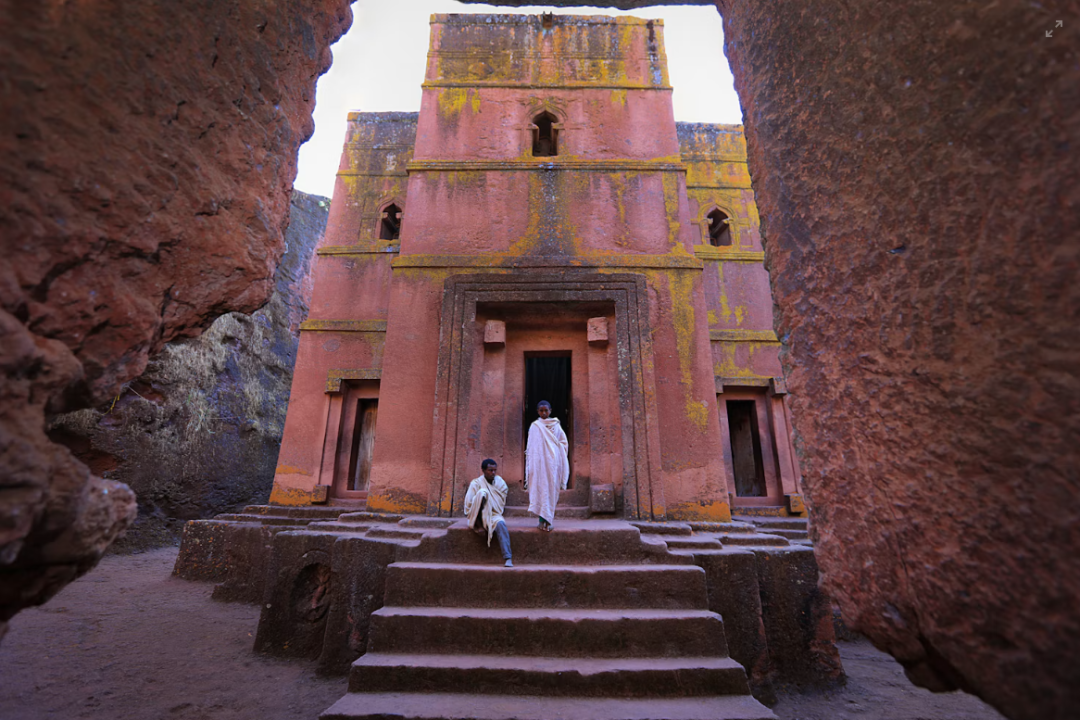
Lalibela. Source: unsplash.com@mulugeta wolde
This miracle was born during the Zagwe dynasty in the 12th century. At that time, the Crusades had blocked the pilgrimage route of Ethiopian believers to Jerusalem, and the devout King Lalibela vowed to replicate an "African Jerusalem" on native soil. Countless forebears spent decades of painstaking effort, carving the mountainside one chisel stroke at a time, ultimately creating this sanctuary of faith that astonishes the world. The folk legend of angels lending assistance also adds a mysterious religious aura to this cluster of churches.
The eleven churches are scattered in arrangement, linked by ravines and passages to form a complete holy city layout. Among them, the Church of Saint George is Ethiopia's iconic landmark, its regular cross shape buried deep within the mountainside, with clean lines and orderly form, still intact after eight hundred years of wind and rain. Viewed from above, the entire church is like a sacred totem carved into the earth—serene, solemn, and profoundly striking.
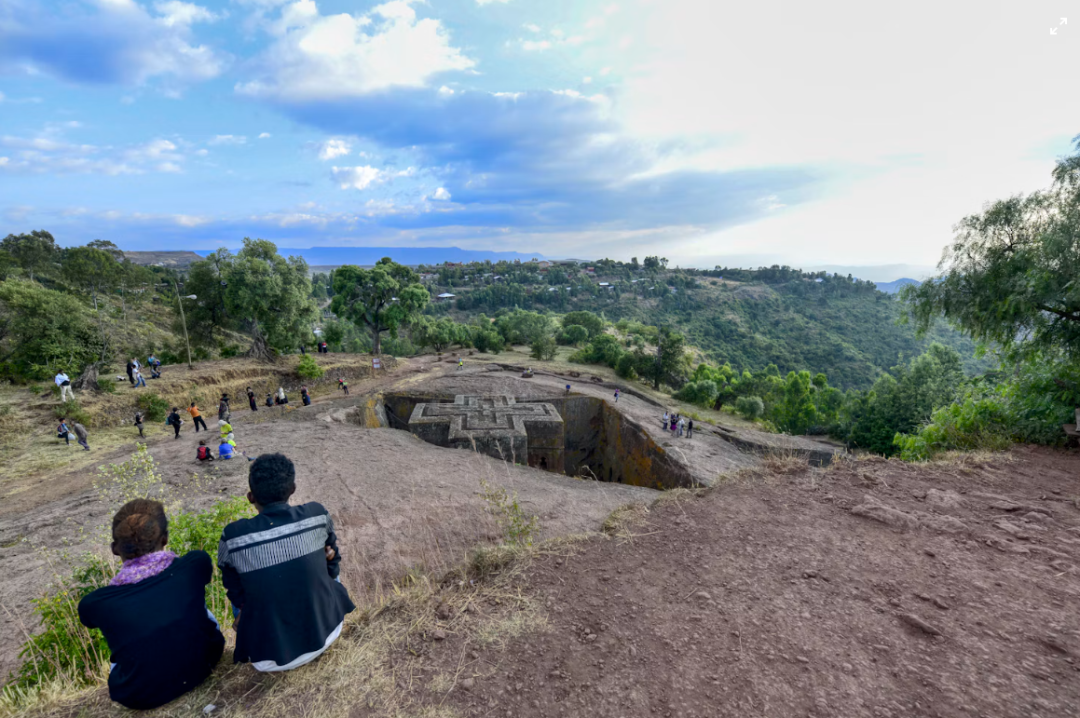
Lalibela. Source: unsplash.com@Volker Repke
Compared with the ornate grandeur of European cathedrals, Lalibela's rock churches emphasize a plain, weighty divinity. The inner walls of the caves preserve thousand-year-old religious murals and scriptures; though the colors are mottled, one can still glimpse the devotion of ancient times. Fragmented light falls through stone windows into the caves, and ancient chanting echoes year-round, making time here seem permanently still. To this day, this remains a core holy site of the Ethiopian Orthodox Church, with white-robed believers making long pilgrimages daily to bow in prayer and kiss the stone walls. For locals, these ancient rocks are not sightseeing relics but the refuge of faith upon which generations have depended.
Eight hundred years of vicissitudes—the rock churches have endured wind and sand erosion and the passage of time, yet always stood firm. With the most primitive artisanal craftsmanship, they interpret the ultimate power of faith and prove to the world: Africa is never only wild wilderness; it also possesses a civilization heritage and spiritual perseverance accumulated over millennia.
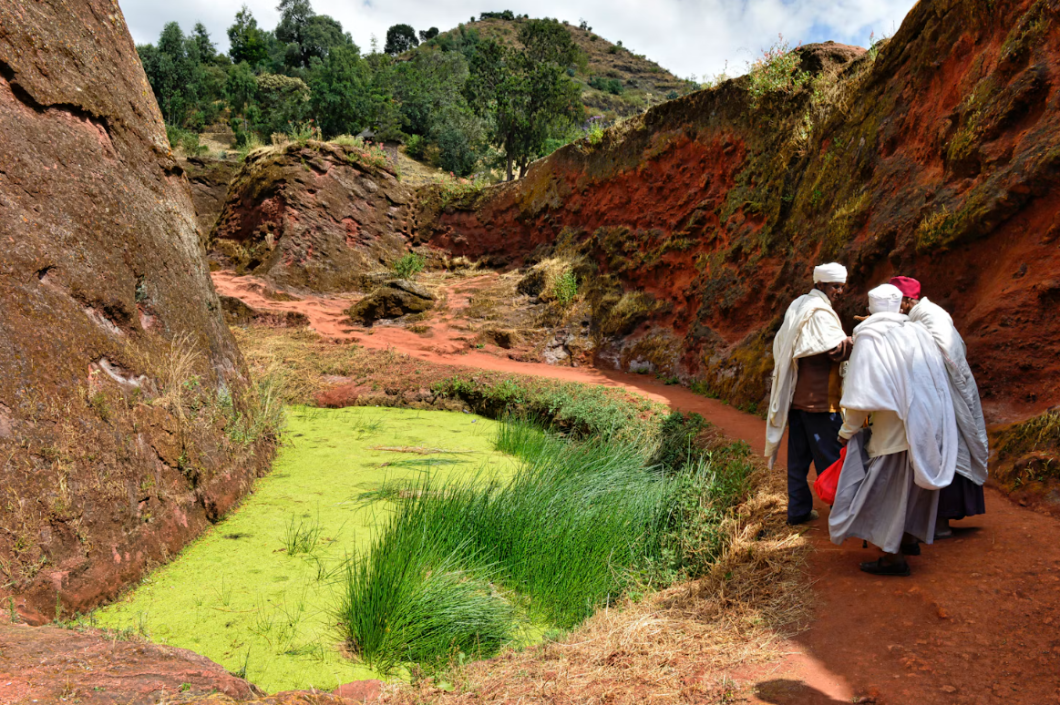
Lalibela. Source: unsplash.com@Volker Repke
Simien Mountains
On the "Roof of Africa," Meeting the Gaze of a troop of Baboons
Heading west from Lalibela, you enter Simien Mountains National Park. The peaks here exceed 4,000 meters in elevation, making this one of Africa's highest plateaus, known as the "Roof of Africa." The park contains Ras Dashen, Ethiopia's highest peak, at 4,543 meters.
The most famous residents of the Simien Mountains are the gelada baboons. These baboons live only on the Ethiopian highlands, with a striking patch of red skin on their chests like a heart-shaped badge. In the Chenek area, troops of geladas often graze quietly in the grass. You stand nearby, and they sit just a few meters away, grooming each other. Toward evening, they descend to caves near the cliffs to spend the night.
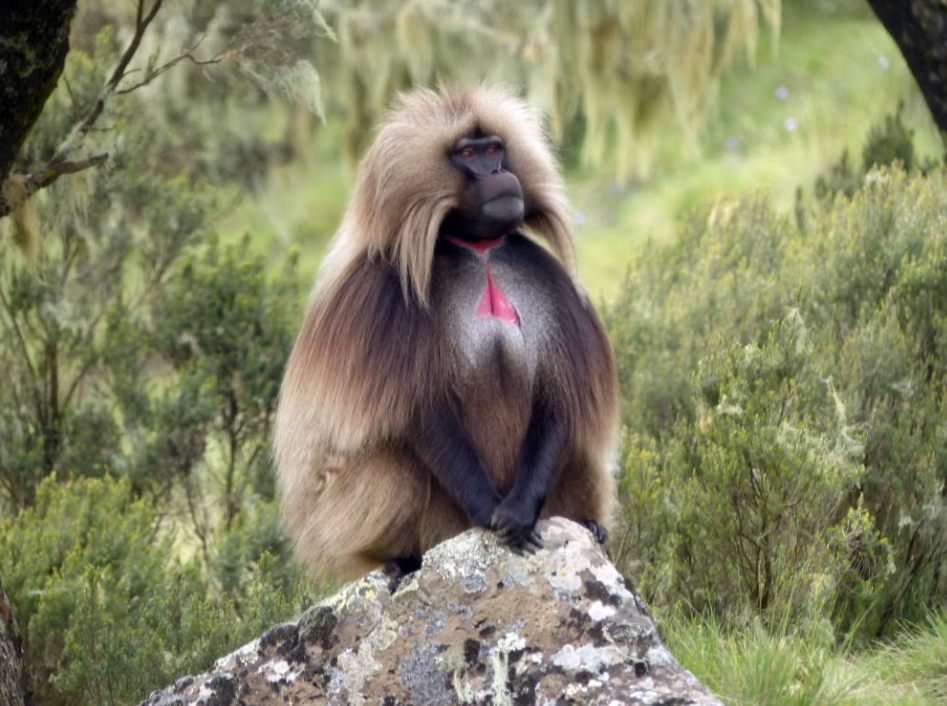
Gelada baboon. Source: pexels.com@Atypeek Dgn
This is also the habitat of the Walia ibex. Only about 500 of these wild goats remain worldwide, surviving solely on the cliffs of the Simien Mountains. With luck, you can spot them from afar standing on steep rock faces during a trek.
The park's vegetation is also distinctive. African alpine grasslands, giant lobelias, everlasting flowers, and moss-covered precipices together form the unique landscape of the Simien Mountains. Hiking routes pass the Jinbar River waterfall and the Geech Abyss, with the waterfall cascading down from steep cliff faces. The Simien Mountains were inscribed on the World Heritage List in 1978, Ethiopia's first natural heritage site. The best hiking season is October to March, when dry-season trail conditions are good and visibility is clear.