

From December 22 to 24, the thematic training workshop on "Value Reshaping and Experience Upgrading: A New Pathways for Mountain Tourism Development," hosted by International Mountain Tourism Alliance (IMTA), was successfully held in Guiyang City, Guizhou Province, where IMTA headquarters is located. The training invited experts from domestic and international tourism and related fields to deliver systematic, high-quality thematic presentations, attracting over 70 participants including IMTA members, industry representatives, and heads of mountain tourism destinations and related institutions. Liu Zhaohui, Vice Chairman of IMTA, attended the training session and delivered the opening speech.
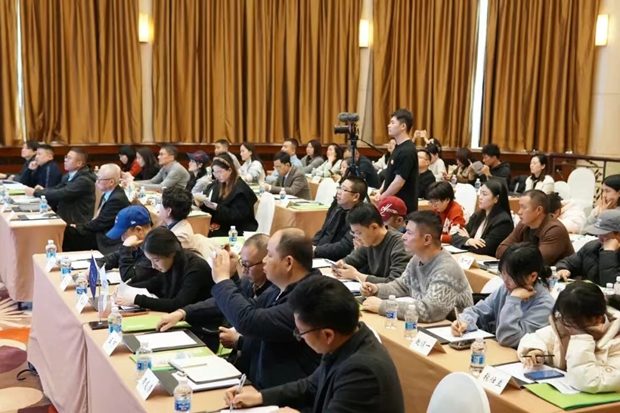
Strategic Guidance and Value Reshaping:Clarifying the Direction for High-Quality Development
In his opening speech, Liu Zhaohui, IMTA Vice Chairman, pointed out that the global tourism industry is undergoing profound transformation, and mountain tourism has moved beyond the past development model primarily reliant on natural resources and visitor volume expansion, entering a high-quality development stage oriented towards value creation, quality experiences, and sustainable development. He emphasized that achieving "value reshaping" requires grasping three key transitions: first, shifting from a "resource-oriented mindset" to a "value-oriented mindset," constructing a destination image with emotional resonance and lasting appeal through clear brand positioning, distinctive cultural expression, and refined product design; second, shifting from "single-format" to "composite scenarios," promoting deep integration of mountain tourism with outdoor sports, intangible cultural heritage, rural revitalization, wellness vacations, and more, forming a multi-dimensional experiential space that makes tourists "willing to come, able to stay, and wanting to return"; third, shifting from "extensive growth" to "green sustainability," implementing the principle of ecological priority throughout the entire process of planning, construction, and operation, improving environmental assessment and community participation mechanisms, and making mountain tourism an important platform for ecological protection and improvement of people's livelihoods.
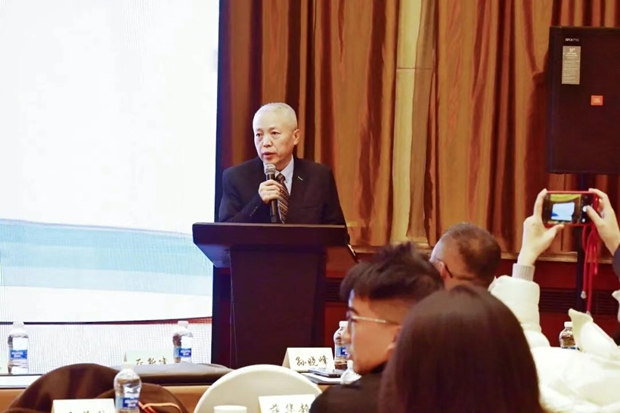
Liu Zhaohui, IMTA Vice Chairman
Li Xinjian, Executive Dean of the Capital Institute of Culture and Tourism Development at Beijing International Studies University, proposed that discussing the high-quality development of mountain tourism first requires clarifying two preemptive key questions: first, what direction do national macro-policies and the environment indicate for the industry; and second, what new changes are emerging in the experiential demands from the consumer side. He provided an in-depth interpretation of the core essence of the "Four Highs" and "Three Dimensions" closely related to mountain tourism in the concluding stage of the 14th Five-Year Plan and the spirit of the Fourth Plenary Session of the 20th CPC Central Committee, believing this is the fundamental guideline for grasping the industry's development context. Simultaneously, he emphasized that the essence of "value reshaping" and "experience upgrade" is a deep response to consumer demands. Practitioners must accurately assess future paths from consumer change trends and closely integrate policy opportunities with market logic to correctly identify focal points of effort.
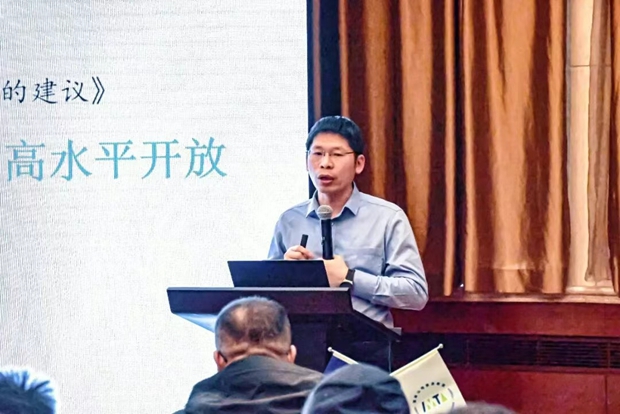
Li Xinjian, Executive Dean of the Capital Institute of Culture and Tourism Development at Beijing International Studies University
Experience Upgrade and Market Transformation:Driving New Development in Mountain Tourism
Chen Gang, Founder and CEO of Mafengwo Group, analyzed that the core transformation in current mountain tourism is driven by the combined effects of three major factors: holiday system reform, consumption structure upgrade, and disruptive technological empowerment. He noted that the state's promotion of pilot programs for dispersing holidays is expected to guide off-peak travel, injecting new momentum into mountain tourism. The consumer market shows a trend of "inward deepening," with tourists no longer satisfied with sightseeing but willing to pay for highly participatory, in-depth experiences, which is the market foundation for the rise of the "super experience" concept. Using the Guizhou Shilong Cave project as an example, he illustrated how creating differentiated, high-quality immersive scenarios can effectively achieve value transformation and local economic benefits. Chen Gang concluded that value reshaping in mountain tourism needs to closely follow "new experiences, new technologies, new traffic," return to the essence of tourist needs, and provide experiences truly worth paying for.
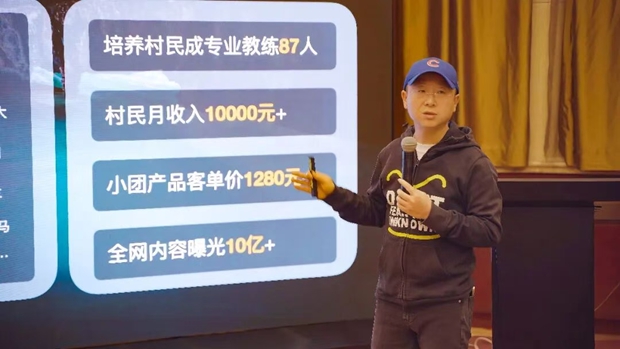
Chen Gang, Founder and CEO of Mafengwo Group
Hanna Pearson, Asia-Pacific Director of the Adventure Travel Trade Association (ATTA), focused on the niche field of adventure tourism, pointing out through global market data that deep adventure tourists significantly outperform mass tourists in terms of income contribution and local employment generation. She categorized adventure travelers into three types: "Nature Enthusiasts," "Cultural Explorers," and "Activity Seekers," emphasizing their common need for deep cognition and interaction beyond "check-ins." Current consumption trends show travelers increasingly desire transformative value through cultural experiences and connection with nature, providing clear direction for mountain tourism product design. She also delved into the core issue of "commercial safety and destination safety" in adventure tourism operations, believing that establishing a professional, reliable safety system is the cornerstone of sustainable development.
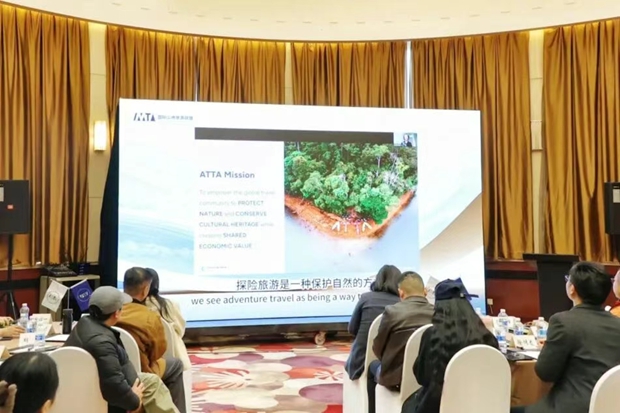
Hanna Pearson, Asia-Pacific Director of the Adventure Travel Trade Association (ATTA)
Sustainable Development and Practical Pathways:Multiple Empowerment and Community Co-creation
Cheng Li, Professor and Doctoral Supervisor at the College of Tourism, Sichuan University, systematically elaborated on the development pathways for mountain B&Bs from the perspective of value-sharing theory. He clearly defined the core characteristics of mountain B&Bs as relying on unique landscapes and culture, being community-operated, and serving specific tourists, and pointed out that their development must adhere to ecological red lines, support community livelihoods, and promote host-guest interaction. Combining cases from Siguniang Mountain and Dengchi Gully, he analyzed the mechanism of "creative class" and local residents collaborating through models like "separation of three rights" for entrepreneurship, believing this linkage can construct a complete value chain integrating lifestyle, entrepreneurial practice, and tourism consumption, serving as the core engine driving the qualitative improvement and efficiency enhancement of the rural economy.
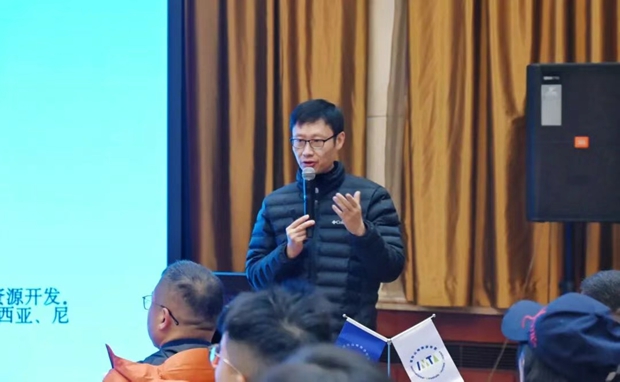
Cheng Li, Professor and Doctoral Supervisor at the College of Tourism, Sichuan University
Cui Li, CEO of RoCa Culture & Tourism, Co-founder of Qyer.com, and Secretary-General of the Rural Revitalization Committee of the China Travel Service Association, proposed that mountain value reshaping requires deep excavation from three dimensions: ecology, culture, and function, promoting industry transformation from single sightseeing to diversified empowerment such as healing, education, and sports. She systematically explained the promoting role of various upgraded experiences (e.g., ecological study tours, mountain sports events, cultural festivals) on high-quality development. On sustainability, she emphasized it is an eternal proposition, requiring the synergy of ecological, cultural, and economic sustainability to achieve the goal of "coexisting with nature, growing with culture, and growing together with the local economy." Combining practical cases like Qiandongnan Miao and Dong Autonomous Prefecture in Guizhou, she called on the industry to practice green operations and protect mountain ecology.
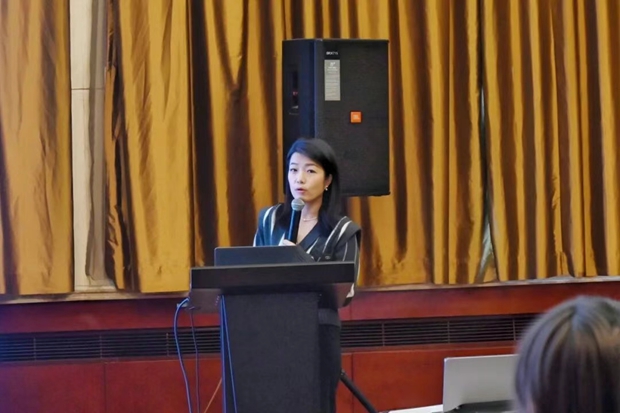
Cui Li, CEO of RoCa Culture & Tourism, Co-founder of Qyer.com, and Secretary-General of the Rural Revitalization Committee of the China Travel Service Association
Wang Xiaoyu, Expert of IMTA Expert Committee and Professor at the School of Management, Beijing Sport University, analyzed new trends in the integration of culture, sports, and tourism against the background of consumption stratification. He noted that future integration is by no means simple stacking but requires completing three deep transformations: the experience mode shifting from static resource display to dynamic content operation; the product system shifting from single ticketing economy to comprehensive profit models; and the operational logic shifting from government investment-driven to market demand-driven. Through analysis of typical cases like the Harbin Ice and Snow World and Luoyang Luoyi Ancient City, he provided strategic ideas for how mountain tourism can leverage sports elements to enhance experience stickiness and consumption levels.
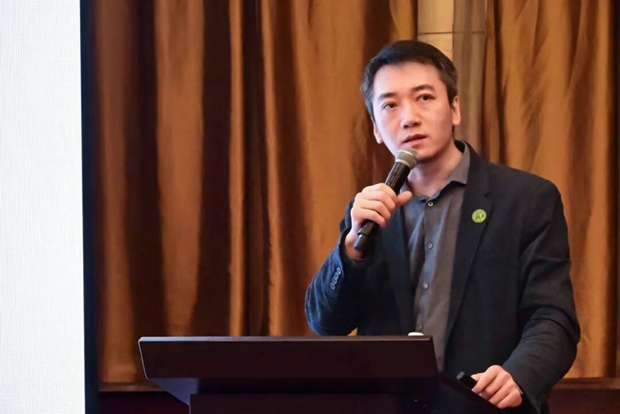
Wang Xiaoyu, Expert of IMTA Expert Committee and Professor at the School of Management, Beijing Sport University
Wu Jiani, Dean of the International College of Tourism and Culture at Guizhou Normal University, focused on local practice, exploring in depth the tourism transformation paths of Guizhou's intangible cultural heritage. She objectively analyzed challenges in Guizhou's intangible cultural heritage resource development, such as difficulties in transformation and narrow audience reach, pointing out that brand operation and refined management are lifelines. For future development, she proposed specific suggestions such as strengthening protection and inheritance, deepening school-enterprise cooperation, establishing special funds, and promoting the deep integration of "culture, tourism, and sports," providing theoretical support and practical direction for the distinctive development of Guizhou's mountain tourism.
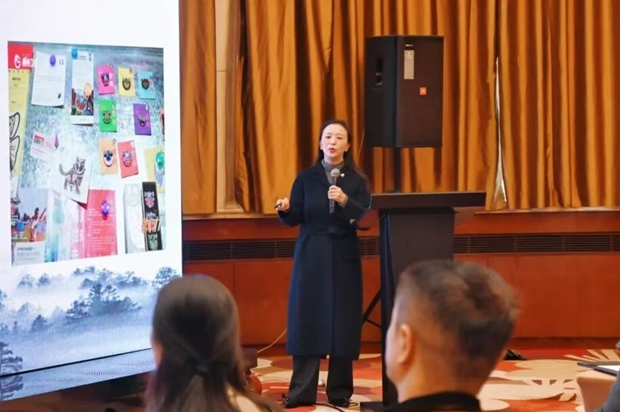
Wu Jiani, Dean of the International College of Tourism and Culture at Guizhou Normal University
Exchange and Practice:Building Consensus and Empowering the Future of Mountain Tourism
During the guest interaction segment of this training, multiple industry representatives and local cultural and tourism heads shared practical experiences and innovative ideas on mountain tourism development, covering areas like upgrading mobile accommodation products, the resource monetization logic of "scenario + content + communication," B&Bs leveraging county economies, and regional cultural tourism linkage. A representative from Milne Bay Province, Papua New Guinea, expressed during the exchange session that they would apply the learnings to advance local tourism development.
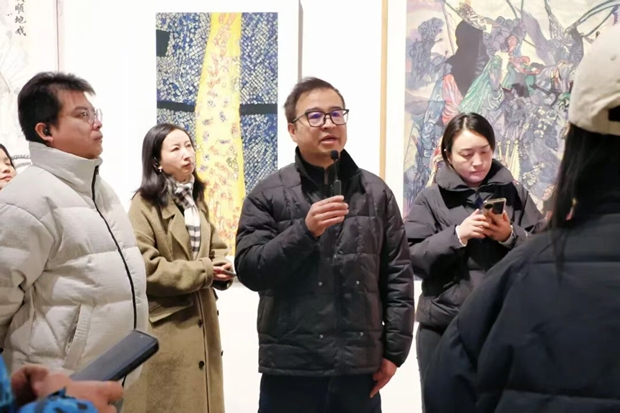
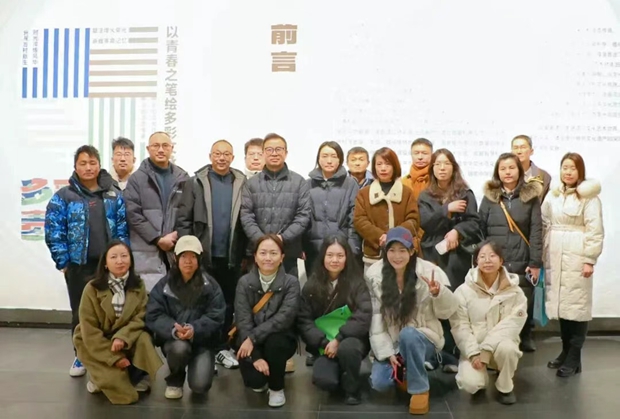
After the training workshop, participants conducted a field trip to the "Colorful Guizhou Cultural Heritage Themed Youth Art Exhibition" for practical learning, deepening their understanding of mountain culture through an artistic perspective. Attendees indicated that the training content was systematic with detailed case studies, providing practical and feasible ideas and inspiration for breaking development bottlenecks and enhancing operational capabilities.
Li Huijuan, IMTA member, Marketing and Planning Department Head of Wawu Mountain Investment Co., Ltd., stated that the training courses were highly beneficial, especially providing important inspiration on breakthrough paths for when scenic area tourism development encounters bottlenecks. A representative from the Pingxiang Wugong Mountain Scenic Area Cultural, Tourism, and Sports Development Center, He Haimei, mentioned that there are already over 200 B&Bs at the foot of Pingxiang Wugong Mountain, and the knowledge gained in this training regarding B&B development was extremely rewarding. She plans to share the learnings with local B&B management personnel to help the high-quality development of the Wugong Mountain B&B industry. Liu Yu, Associate Professor at Guiyang Kangyang University, pointed out that Guizhou tourism has experienced explosive growth in recent years, and high-quality tourism projects better meet the needs of current tourists visiting Guizhou, especially young groups.
Adhering to its mission of "protecting mountain resources, passing on mountain civilization, promoting mountain economies, and prospering mountain communities," IMTA has continuously launched a series of special training sessions in recent years, helping mountain tourism achieve both quality and benefit improvements, and contributing positive strength to global mountain sustainability.
Image and text source: IMTA
Editor Ⅰ: Zhang Congxiao
Editor Ⅱ: Bao Gang
Editor Ⅲ: Liu Guosong