


From ancient times to the present, pork has held a significant place in the Chinese diet. Over thousands of years, the Chinese have continually refined methods and techniques for processing pork, exploring a wide variety of ways to enjoy it, including the curing and consumption of ham.
On the map of Chinese hams, the four renowned varieties—Jinhua Ham (Zhejiang), Xuanwei Ham (Yunnan), Xuan'en Ham (Hubei), and Rugao Ham (Jiangsu)—each rely on their unique geographical environments and mountainous climates, forming distinct and delicious traditions.
Jinhua Ham (Zhejiang)
If Yunnan hams embody the ruggedness and intensity of the highlands, then Jinhua Ham encapsulates the refinement and mellow umami of the Jiangnan region. Located in the Jinqu Basin, Jinhua experiences distinct seasons and alternating dry and humid weather, providing ideal conditions for the ham's slow fermentation and the process of "intense salting followed by slow sun-drying." Its shape is as elegant as a bamboo leaf, with thin skin, thick meat, and a delicate aroma.
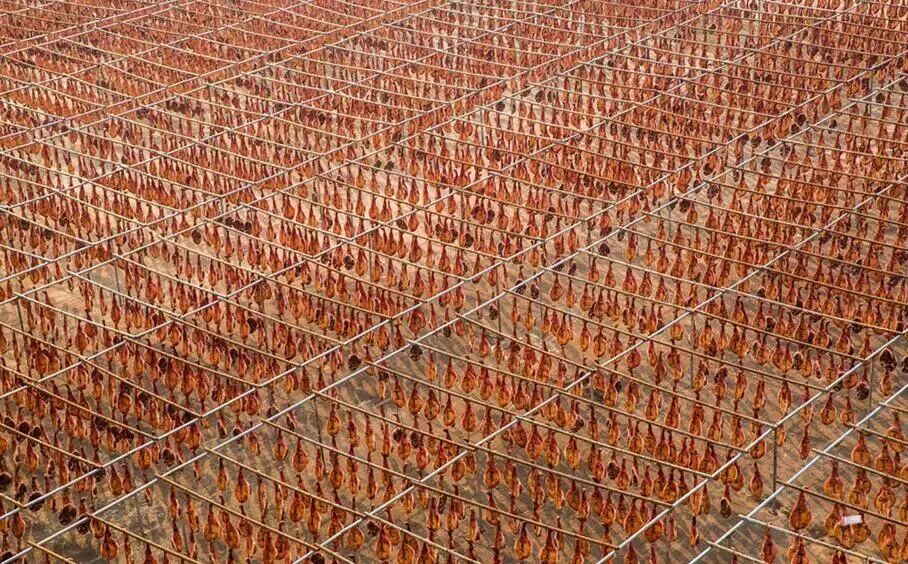
Jinhua Ham has stringent requirements for its raw material. Locally produced in Jinhua is a breed of pig called "Liangtouwu" (Two-Ends-Black), which is black on both ends and white in the middle, earning it the nickname "Chinese Panda Pig." This breed is an excellent source for making Jinhua Ham.
The processing of Jinhua Ham is extremely meticulous, involving a total of 36 steps. Among them, trimming, salting, washing and sun-drying, shaping, and aroma checking are the five most crucial processes determining its quality. In the kitchen, it is often sliced paper-thin or cut into tiny "nail-sized" pieces, serving as the soul ingredient for premium broths or steamed with mild ingredients like bamboo shoots and tofu. Using the "ham to elevate flavor" method, it imparts profound depth to the entire dish. The classic dish "Honey-Glazed Ham Square" involves slowly steaming the choice part until tender, then glazing it with honey syrup, creating a luxurious interplay of salty and sweet flavors.
Xuan'en Ham (Hubei)
Nestled in the Wuling Mountains of southwestern Hubei, Xuan'en Ham is the crystallization of Tujia and Miao ethnic wisdom and the mountainous climate. Made from the hind legs of free-range black pigs raised in the forested hills, it is cured using traditional ancient methods and then entrusted to the mountain winds and time of Enshi. The finished product has a yellow, amber-like sheen, with firm yet finely textured meat. It offers a rich, savory, and mellow taste with a subtle sweet aftertaste.
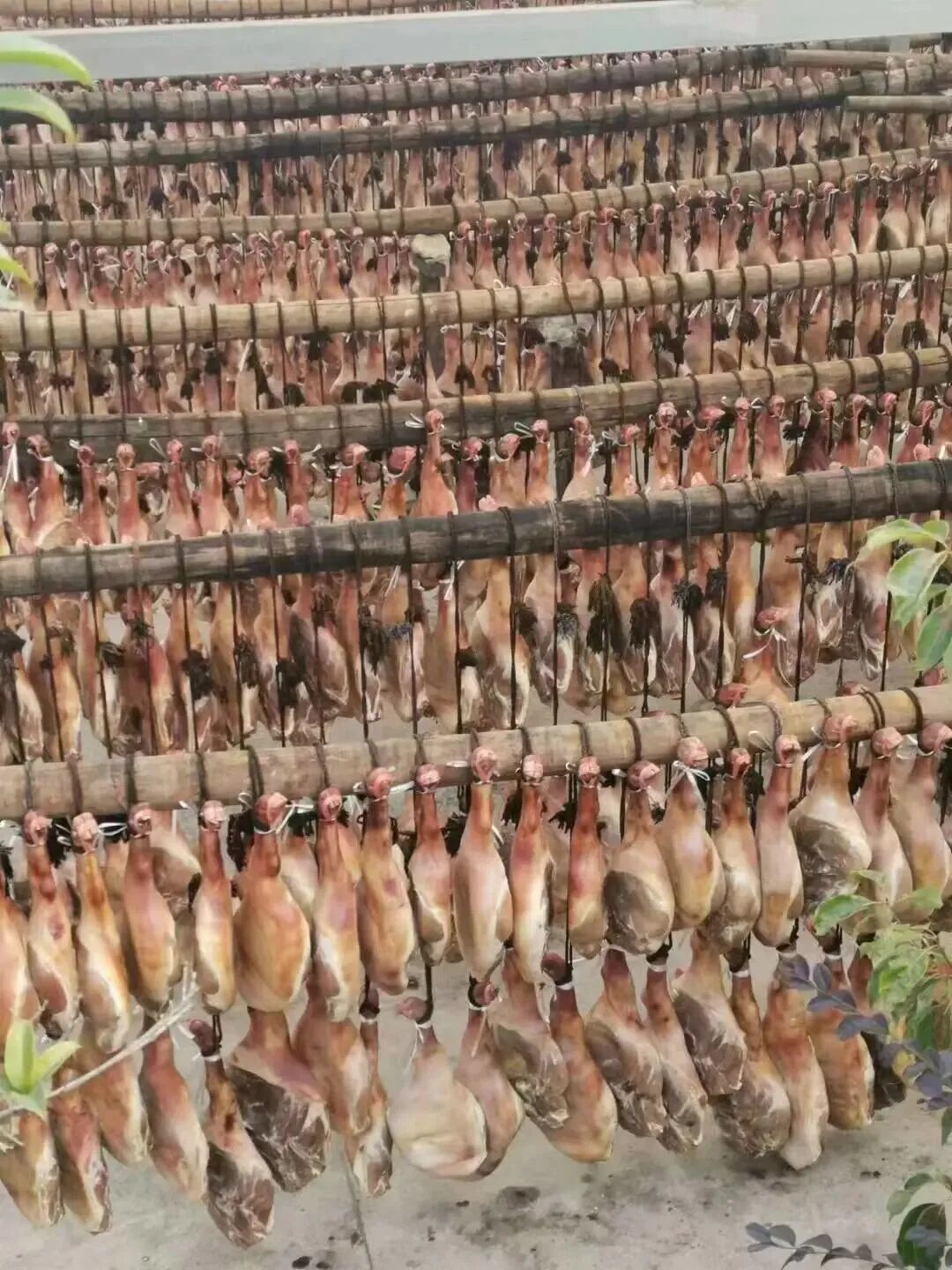
Image source: Enshi Culture and Tourism
Xuan'en Ham has a long and storied history of production. According to the "Xuan'en County Annals" from the third year of the Tongzhi reign (1864) in the Qing Dynasty, wedding ceremonies began with "using wine, dried meat, incense, and candles to obtain the birth date characters, called 'luo'." Here, "dried meat" refers to smoked and cured meat products like jerky, meat floss, and hocks, which were the precursors to Xuan'en Ham.
The way to enjoy Xuan'en Ham is simple and direct, best showcasing its original flavor. It can be cut into thick slices and steamed with local Tujia bacon, where the fats intermingle for a full, savory mouthful. Alternatively, diced and stir-fried in a dry pot with Enshi baby potatoes, the ham's richness complements the potato's floury softness perfectly. Using it to simmer a pot of wild mushroom soup fully releases its inherent woodland essence.
Xuanwei Ham (Yunnan)
When discussing Chinese hams, one cannot bypass the leader of "Yunnan Hams"—Xuanwei Ham. Climate is the irreplicable secret recipe behind its unique flavor. The "Xuanwei County Annals" once recorded: "Xuanwei hams are famous under heaven, due to the climate." Compared to other hams, Xuanwei Ham's superior climate and geographical location allow for less salt in the curing process, resulting in a moderately salty taste and a more abundant, rich aroma. Its exceptionally favorable fermentation environment allows it to excel both in flavoring soups and dishes and to withstand the test of being eaten raw, much like top-grade Iberian ham.
The Wujin pigs used for Xuanwei Ham live a charmed life, feeding on tender mountain grains and drinking from babbling clear streams. Over a year, they grow thick, fine-textured meat. After being made into ham and air-dried, they are sent to caves for "cultivation." Compared to conventional cellar aging, cave aging allows the ham to achieve a qualitative leap within the same timeframe. Here, the proteins and fats in the ham undergo comprehensive breakdown, making the meat softer, fresher, and more fragrant.
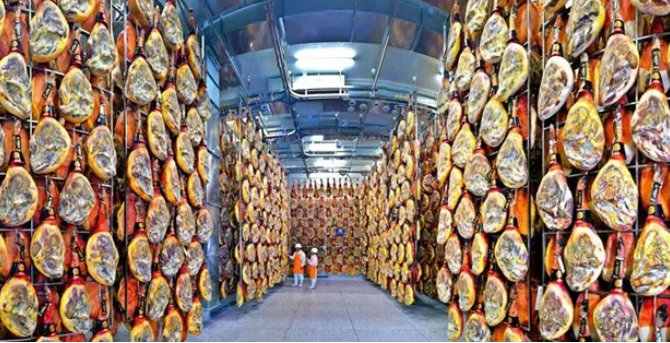
Image source: James's Kitchen
Xuanwei Ham is delicious yet not overpowering. Whether playing a leading or supporting role, it can give a dish a distinctive flavor! The most classic example is undoubtedly "Yunnan Ham Mooncake," where diced ham is mixed with honey, lard, and sugar as filling, resulting in a sweet, salty, and crispy pastry after baking—a representative Yunnan-style snack. In home-style cooking, slicing and steaming it to serve with thin pancakes or rice allows the translucent, melt-in-your-mouth fat and the savory, chewy lean meat to shine. It is also an indispensable umami-enhancing star in the broth of "Crossing-the-Bridge Rice Noodles" and famous Yunnan dishes like "Ham with Termite Mushrooms."
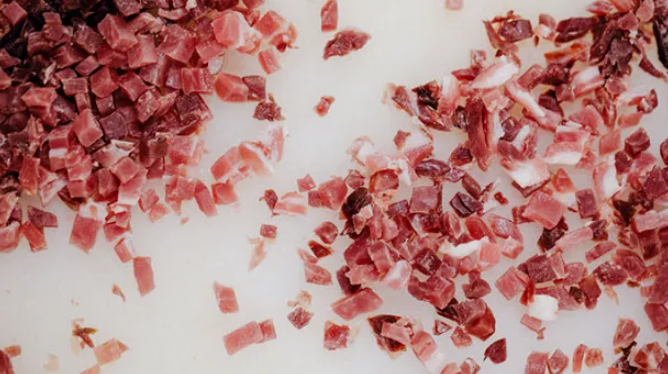
Image source: Sanlian Life Weekly
Rugao Ham (Jiangsu)
As a traditional Chinese specialty, Rugao Ham is produced in the transitional zone between the Jianghuai Plains and hilly areas. Compared to other ham-producing regions, Rugao's location is relatively further north, hence Rugao Ham is also known as "Northern Ham."
Rugao Ham uses locally produced "Dongchuan pigs" as its source. It is made through steps like selection, curing, washing and sun-drying, hanging, and fermentation. The exterior skin is translucent yellow, the meat dense. The lean meat can be rose or peach-red, while the fat is white or slightly reddish. After hanging and thorough drying, the ham body is coated with vegetable foot oil to prevent insect damage and preserve its aroma.
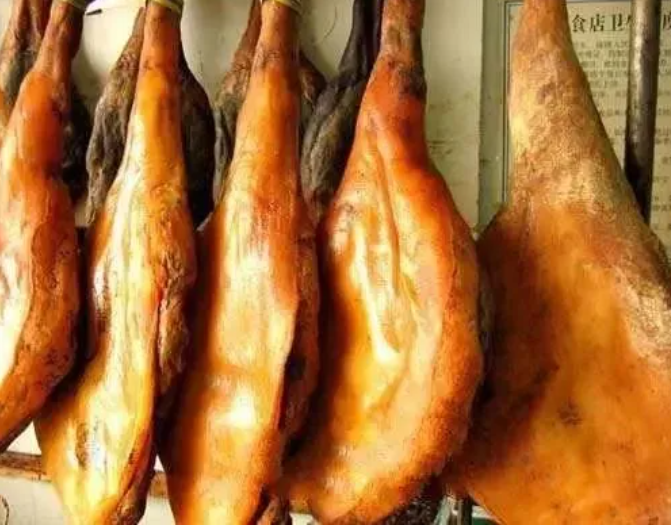
Image source: National Humanities History
In culinary applications, Rugao Ham also excels at enhancing umami, particularly excelling at infusing Huaiyang cuisine soups and stews with a rich base flavor. Classic preparations include slicing it into thin shreds or mincing it for dishes like "Shredded Ham with Dried Tofu" or "Ham and Winter Melon Soup," significantly boosting the soup's savory depth. It can also be sliced thin and used in "Yan Du Xian" (Salted Pork and Fresh Bamboo Shoot Soup) with fresh bamboo shoots and salted pork, where its savory flavor harmoniously blends with various ingredients, creating rich layers of taste.
Beyond these four famous hams, China has many other distinctive local hams worth savoring. For example, Nuodeng Ham, hidden deep in the Cangshan mountains of Dali, Yunnan, relies on the natural brine from the thousand-year-old Nuodeng ancient well and the unique mountainous climate. Slowly matured in the Yunlong mountain area at over 2000 meters above sea level, it develops a delicate, salty-sweet flavor with mineral notes, becoming a flavorful treasure of the highlands. The best parts for raw eating can be thinly sliced like Italian prosciutto and enjoyed directly, savoring its complex savory umami and sweet aftertaste. The most home-style and famous preparation is "Nuodeng Ham Fried Rice," where rice is stir-fried with diced ham and eggs, requiring no extra salt. The ham's savory aroma and fat evenly coat every grain of rice, creating an enticing fragrance.
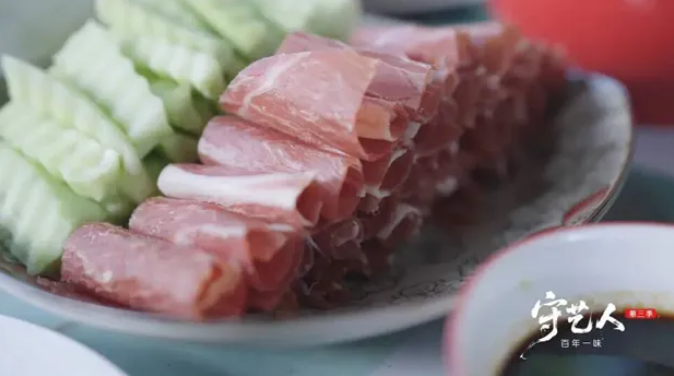
Image source: Yunnan Radio and Television Station public
These uniquely characteristic mountain hams collectively form the rich tapestry of China's ham flavor spectrum, showcasing the perfect fusion of different regional terroirs and culinary wisdom.
Editor Ⅰ: Zhang Wenwen
Editor Ⅱ: Bao Gang
Editor Ⅲ: Liu Guosong