


On May 29, the"International Mountain Tourism Day 2025" Theme Events kicked off on Gran Canaria, Spain. With the theme "Embracing Mountains and Seas, Coexisting with Cultures — Mountain Tourism and Cultural Inclusiveness for the Future," the event brought together representatives from international organizations, government officials, industry leaders, experts, scholars, and media worldwide to explore inclusive collaboration and shared development in global mountain tourism. The program included an opening ceremony, thematic forums, mountain cultural exchange sessions, a China-Spain cultural tourism exhibition, and the "Gran Canaria Night" welcome dinner. Participants engaged in diverse formats to share advanced concepts, discuss cutting-edge issues, and deepen practical cooperation. At the opening ceremony, Ms.Christine Brew, Representative of UN Tourism, delivered a speech.
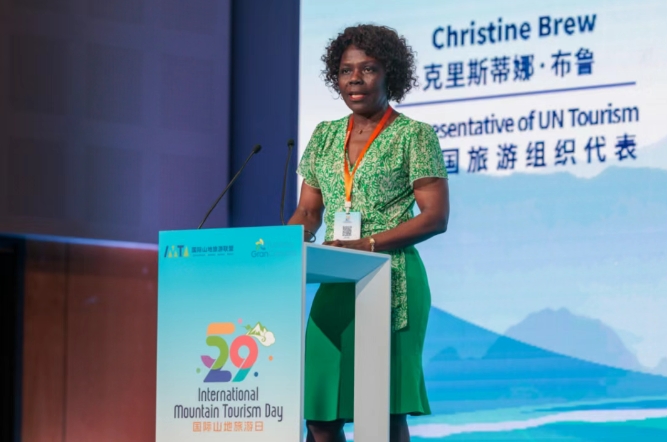
The full text of the speech is as follows:
It is my great honor to represent UN Tourism this morning at the 2025 International Mountain Tourism Day themed event co-hosted by the International Mountain Tourism Alliance (IMTA) and the Gran Canaria Tourism Board. First of all, please allow me to express my gratitude to our hosts – Mr. He Yafei, Vice Chairman of IMTA, and the head of the Gran Canaria Tourism Board – for their kind invitation to this high-profile event and their warm and thoughtful reception.
My presence here today is no coincidence; it is a strong manifestation of UN Tourism's high attention to this event, and it also highlights the close cooperative relationship we have established with IMTA since Vice Chairman He Yafei's official visit to the UN Tourism headquarters in Madrid in 2018.
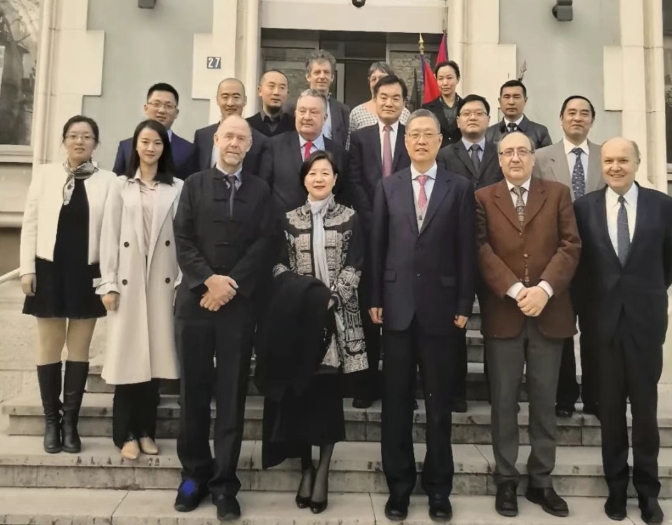
In March 2018, Vice Chairman He Yafei led an IMTA delegation to Spain, Andorra, and France to carry out exchange and cooperation activities on mountain tourism.
UN Tourism and IMTA share a common vision: we both believe that mountain tourism deserves due attention because it has enormous potential to drive socio-economic growth and development in local communities.
Since mountain tourism accounts for 9% to 16% of global international tourist arrivals, UN Tourism has been paying close attention to this field as early as 1998. In that year, we collaborated with the Principality of Andorra to host the first World Congress on Snow and Mountain Tourism. Since then, this congress has been held every two years in Andorra, bringing together tourism stakeholders from the global public and private sectors to discuss key issues facing mountain tourism.
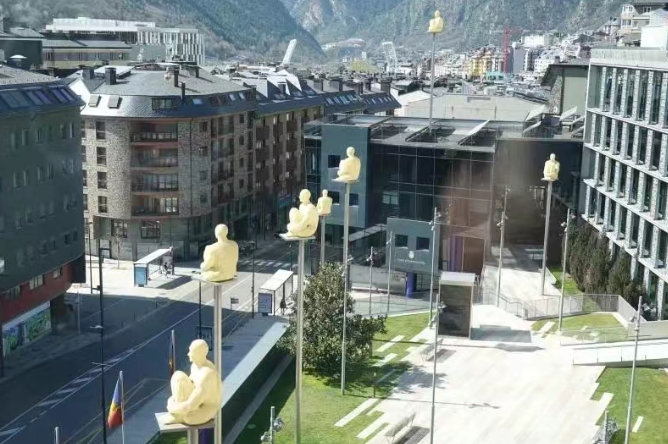
The sculpture "7 Poets", representing the 7 parishes of Andorra (Source: Haybina Hao)
In addition, with the continuous emergence of more mountain tourism destinations around the world, UN Tourism launched the "Eurasian Ski Resort Congress" in 2013. It aims to build a platform for experts, practitioners, and authorities from both emerging and traditional ski destinations to gather, share experiences, and exchange best practices on the development of winter sports areas and ski resorts.
Since 2019, International Mountain Tourism Day has become an important celebratory event. Last year, UN Tourism participated in the celebration held in Nice, France, with the theme "Mountain Tourism for Mutual Learning Among Civilizations". This year's themed event further expands the perspective, exploring the symbiotic relationship between mountains, oceans, and culture – all of which have their own characteristics and are important resources for leisure and tourism.
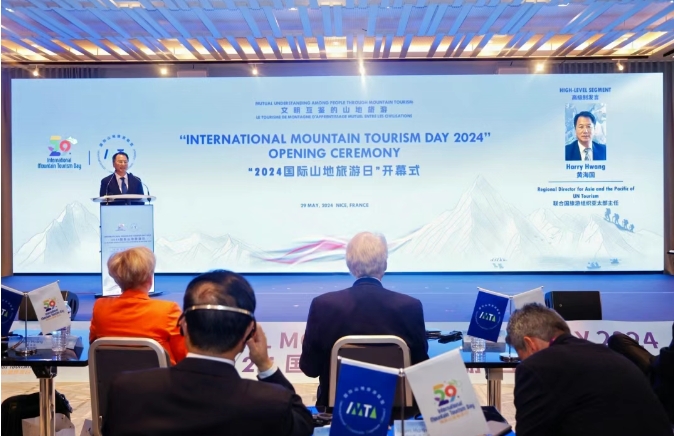
At the 2024 "International Mountain Tourism Day" themed event, Harry Hwang, Director of the Asia-Pacific Department of UN Tourism, delivered a high-level speech.
As forms of tourism, they all have significant potential to play an active role in promoting local economic growth and social change through complementarity with other economic activities, while making important contributions to GDP growth and job creation.
Approximately 1.1 billion people worldwide live in mountainous areas, many of whom belong to the poorest and most remote groups. Therefore, mountain tourism is an important pillar for maintaining the livelihoods of these communities that depend on its development. Over the years, mountains, with their unique terrain and natural resources, have become ideal places for many sports, including mountaineering, hiking, and cycling in summer, and skiing and other snow sports in winter. In addition, the magnificent natural scenery, rich biodiversity, and vibrant local culture also make mountains a desirable destination for tourists.
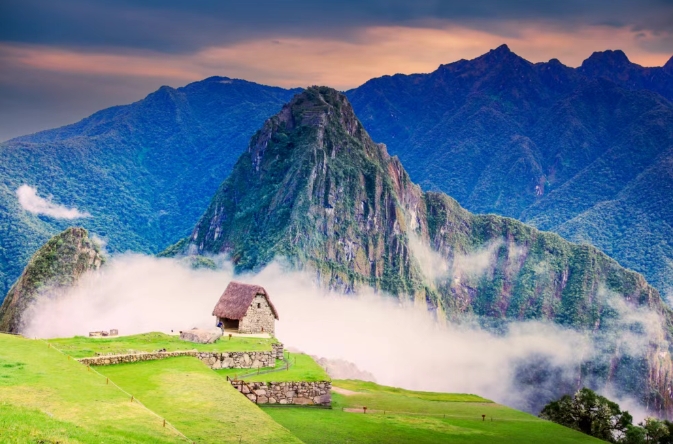
Machu Picchu, Peru
In addition to being an important driver of socio-economic development, mountain tourism is also an important tool for promoting inclusive development, environmental protection, and cultural inheritance, especially reflected in its close connection with community empowerment and rural revitalization.
Moreover, mountain tourism can promote rural revitalization, protect intangible cultural heritage, and enhance cross-cultural understanding.
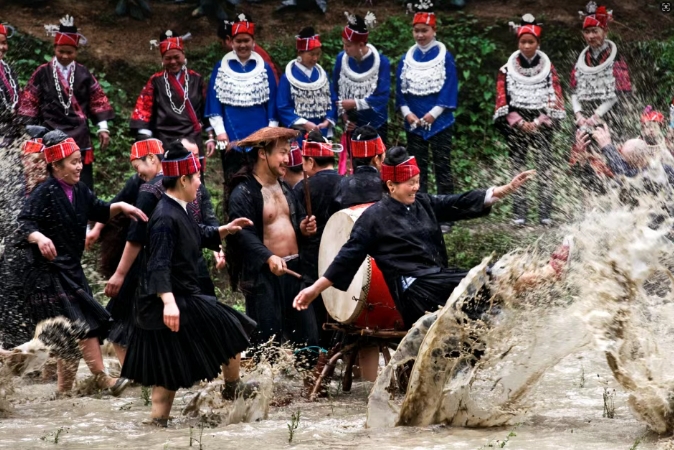
Water Drum Dance in Qiandongnan, Guizhou (Photographed by Wang Jiwen)
Furthermore, mountain tourism directly contributes to the achievement of several Sustainable Development Goals (SDGs), including promoting sustainable economic growth (SDG 8), advancing responsible consumption and production (SDG 12), and protecting terrestrial ecosystems (SDG 15).
Given the obvious importance of mountain tourism, if it is to continue to be an important source of income for local communities and help protect their natural resources and culture, the development and management of mountain tourism must adhere to the principle of sustainability.
However, the development and management of mountain tourism also face many challenges. Some studies point out that mountains are under multiple pressures such as climate crisis, natural disasters, and biodiversity loss. They also face problems of geographical remoteness and inconvenient transportation. Phenomena such as reduced snowfall in winter and frequent heatwaves in summer are becoming increasingly serious. The impact of tourism activities on mountain ecosystems has also attracted much attention, and numerous studies have focused on the impact of tourists and tourism activities on the mountain environment.
Against this background, UN Tourism has recently launched a study under the framework of its "European Agenda", aiming to explore the impact of climate change on snow and mountain tourism destinations and their future development trends.
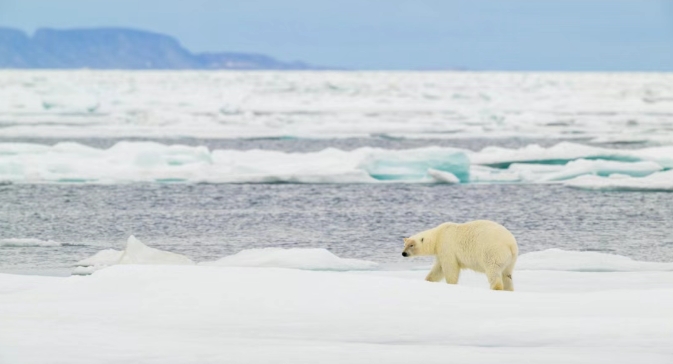
Svalbard Islands, Norway
Collaboration between local stakeholders, governments at all levels, and external partners including international organizations is particularly important. Only in this way can we maximize the advantages of mountain tourism development while minimizing its negative impacts.
To this end, in terms of international cooperation, UN Tourism, together with the Food and Agriculture Organization of the United Nations (FAO) and the Mountain Partnership Secretariat, jointly released the research report "Mountain Tourism: Towards a More Sustainable Path" in 2021, aiming to support the role of tourism in the sustainable development of mountainous areas. This achievement stems from the memorandum of understanding signed by UN Tourism and FAO in 2020, where both parties agreed to cooperate in the fields of sustainable tourism and rural development. Subsequently, in 2023, the two parties jointly released a report on "Understanding and Quantifying Mountain Tourism".
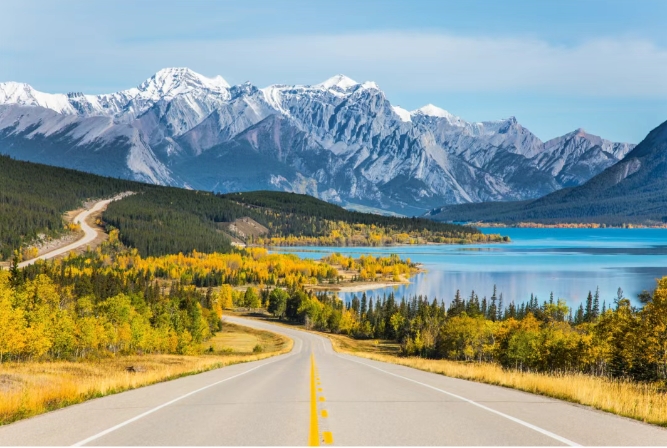
Rocky Mountains, Canada
Our cooperation with IMTA officially started since IMTA initiated and established International Mountain Tourism Day as a globally recognized commemorative day in 2018. Since then, the two parties have met many times in Beijing, Madrid, and Nice to conduct in-depth discussions on cooperation in sustainable mountain tourism. Based on these exchanges, we have reached a consensus to co-host events, carry out joint research, formulate standards for mountain tourism development, and share relevant data.
As I mentioned earlier, UN Tourism participated in the celebration of the 2024 International Mountain Tourism Day a year ago. This year, we not only attend this event but also will sign a memorandum of understanding to further strengthen cooperation with IMTA, promote innovative governance models, advance sustainable development, and助力 rural revitalization through mountain tourism.
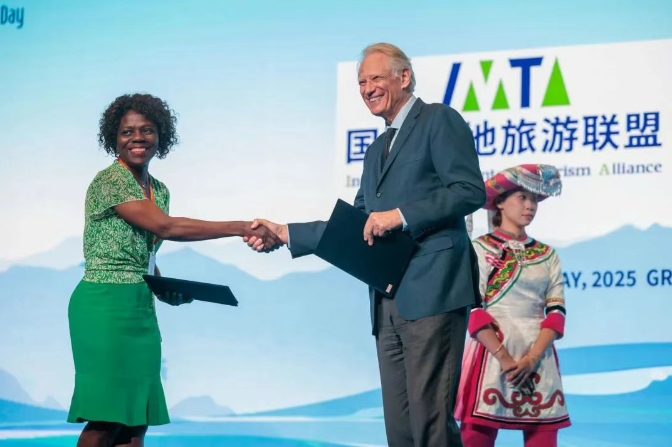
IMTA and UN Tourism exchange MoU
Finally, I would like to say that mountain tourism is of great significance and cannot be ignored. Faced with various challenges that threaten its sustainable development, especially considering the millions of local residents who depend on mountain tourism for their livelihoods, we have an inescapable responsibility to address them together.
Therefore, UN Tourism will unswervingly continue to work hand in hand with IMTA to promote the resilience building of mountain tourism and safeguard the well-being of local communities.
Before concluding my speech, on behalf of UN Tourism, I sincerely invite IMTA to participate in the 13th World Congress on Snow and Mountain Tourism to be held in the Principality of Andorra in March 2026. I sincerely wish this event a complete success.
一审:袁佳利
二审:鲍港
三审:张翼晶